
Introduction
Have you ever paused mid-task and wondered whether the air you breathe is quietly wearing down your health? I ask that because I’ve seen workshops where small clouds of smoke linger for hours — and data shows airborne particulates can rise quickly in such spaces. Fume extraction technology sits at the center of that problem (it’s the unsung guard at the door), pulling away welding fumes, solvent vapors, and dust so workers can breathe easier. I want to be gentle but frank: workers deserve systems that actually work, not band-aids. So, what’s really going wrong with the solutions many shops trust? Let’s walk through the issues step by step — and don’t worry, I’ll keep this simple and practical.
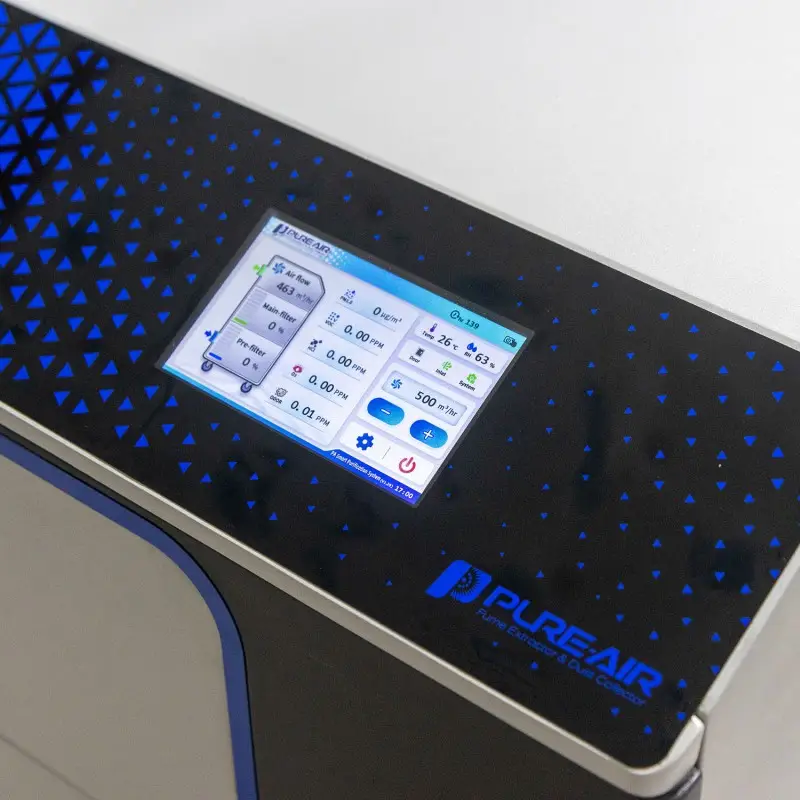
Where Traditional Solutions Fail: Hidden Flaws and Pain Points
fume extraction systems are supposed to be the straightforward fix: capture the pollution, filter it, and send clean air back. Yet in my experience, that tidy story often breaks down. The older designs rely on undersized fans and long ductwork runs. That kills airflow rate and raises static pressure, so capture velocity drops and fumes escape the source. HEPA filters clog faster than expected because pre-filters are neglected, and activated carbon beds get saturated with solvent vapors — quietly losing efficiency. Look, it’s simpler than you think: if the fan curve doesn’t match your duct layout, the system never reaches the capture you were sold. — I’ve seen this happen in shops that thought they were compliant.
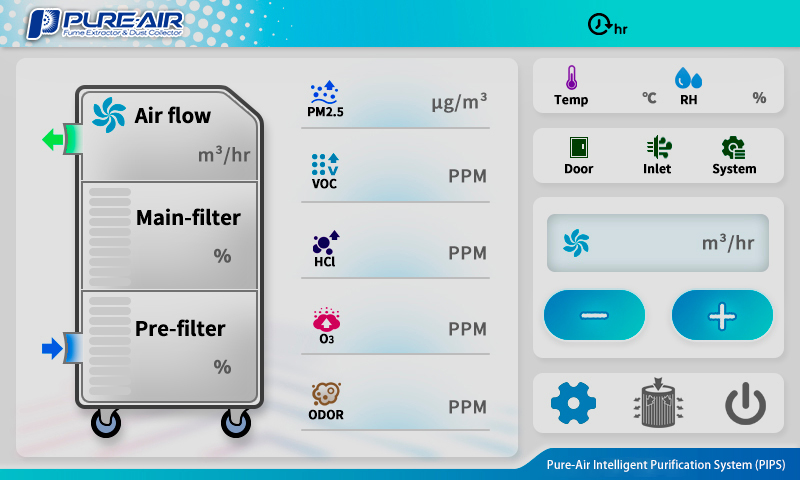
Another pain point? Human behavior. Operators move extraction arms for convenience, not capture. Maintenance is treated like a future chore, not a daily habit. That mix of design mismatch and user shortcuts creates pockets of poor air quality. From a technical angle, the real trouble is system mismatch: wrong fan sizing, poor hood placement, and lack of real-time monitoring. Those are fixable, but only if we stop treating fume extraction as an afterthought and start treating it like the safety system it is. Why does this matter? Because missed capture is invisible until someone coughs — and by then the damage may have already started.
So, what should we watch for?
New Principles and Practical Metrics for Better Systems
Looking forward, I want to focus on principles that actually change outcomes. Modern designs blend smarter airflow control with better filter staging and simple monitoring. When we rethink fume extraction systems, we stop guessing and start measuring: match fan curves to ductwork, stage filtration (pre-filter → HEPA → activated carbon), and add basic sensors for differential pressure and airflow. That’s the backbone of a system that stays effective over time. I’ve helped teams adopt these steps and the difference is obvious — air clears faster, and maintenance becomes predictable. — funny how that works, right?
For clarity, here are three practical evaluation metrics I recommend you use when choosing or upgrading a system: 1) Capture Velocity at the source (make sure it’s specified and measured), 2) System Pressure Balance — ensure fans operate on the right part of their fan curve relative to duct losses, and 3) Filter Life and Replacement Cost — real-world operating hours matter more than marketing numbers. These metrics keep the conversation grounded. I encourage teams to run short smoke tests and log differential pressure; small data beats assumptions every time. If you want a partner who cares about results (and not just sales), consider manufacturers that publish clear performance data and offer on-site tuning.
Real-world Impact
To wrap up, I’ll be blunt: good design plus simple habits prevents harm. We can build extraction systems that people trust and that stand up to daily reality. I’ve seen it—healthier teams, fewer sick days, and a quieter sense of workplace safety. For firms looking to move from guesswork to proven practice, check manufacturers who test in real conditions and provide clear metrics. For practical solutions and guidance, I point you toward experienced providers who combine engineering with real on-floor support — they’ll help you get it right.