
Comparative opening: why choices matter
Retail teams often split between two instincts: chase the brightest spec sheet or design around the customer’s sightline. The smarter route is comparative — match display type to use-case. A flexible led display can win when curves or tight radii are required; tiled modular panels usually win on uniform brightness and maintenance. This article argues clearly for prioritizing viewing distance, content type, and operational demands rather than raw brightness alone.

Essential trade-offs: pixel pitch, brightness, and resolution
Pixel pitch dictates perceived sharpness at a given viewing distance. Choose too coarse and close-up content looks blocky; over-spec a fine pixel pitch and you add cost without visible benefit. Brightness and color calibration influence legibility under store lighting, while resolution determines the type of creative you can run. Prioritize pixel pitch first, then balance brightness and resolution to your content mix — static imagery rates lower on refresh concerns than live video, which needs a higher refresh rate to avoid flicker on camera.
Hardware types compared
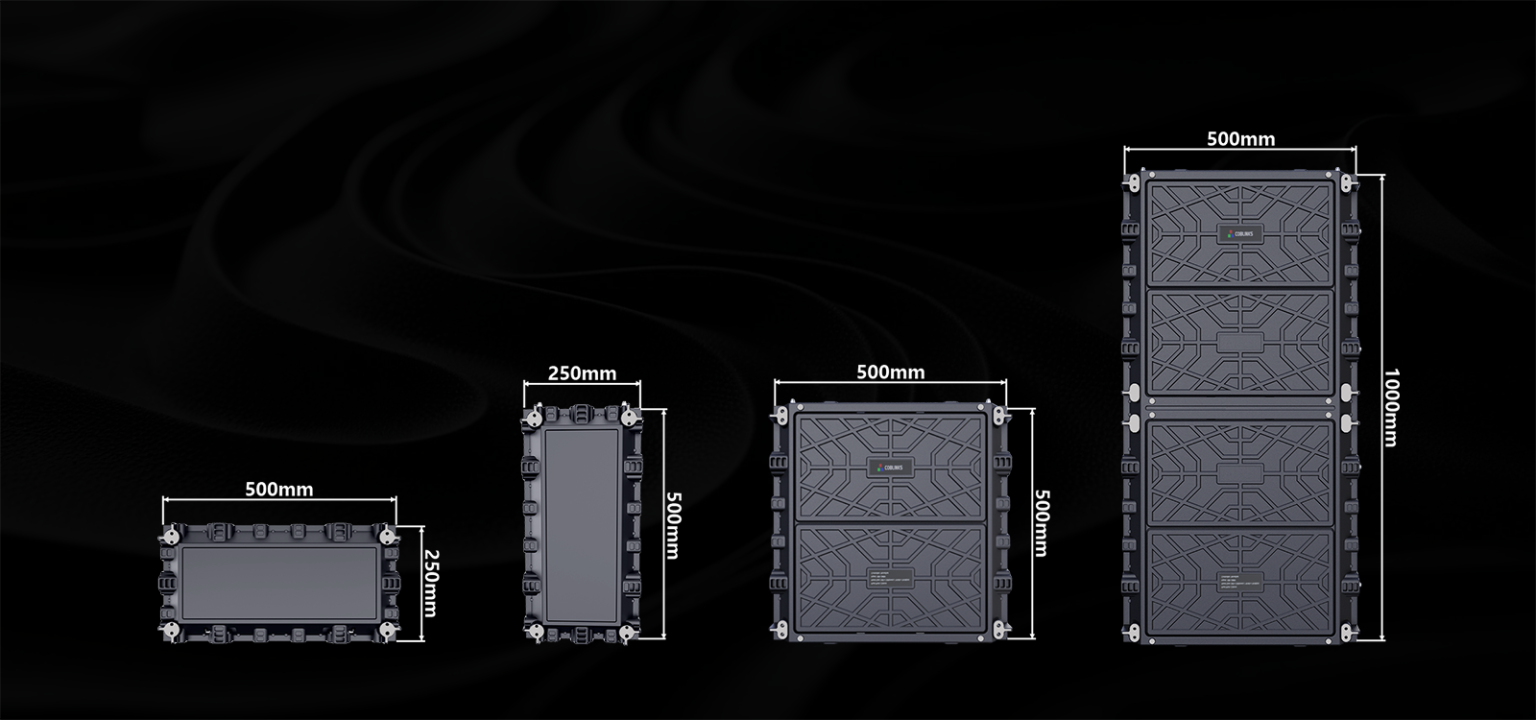
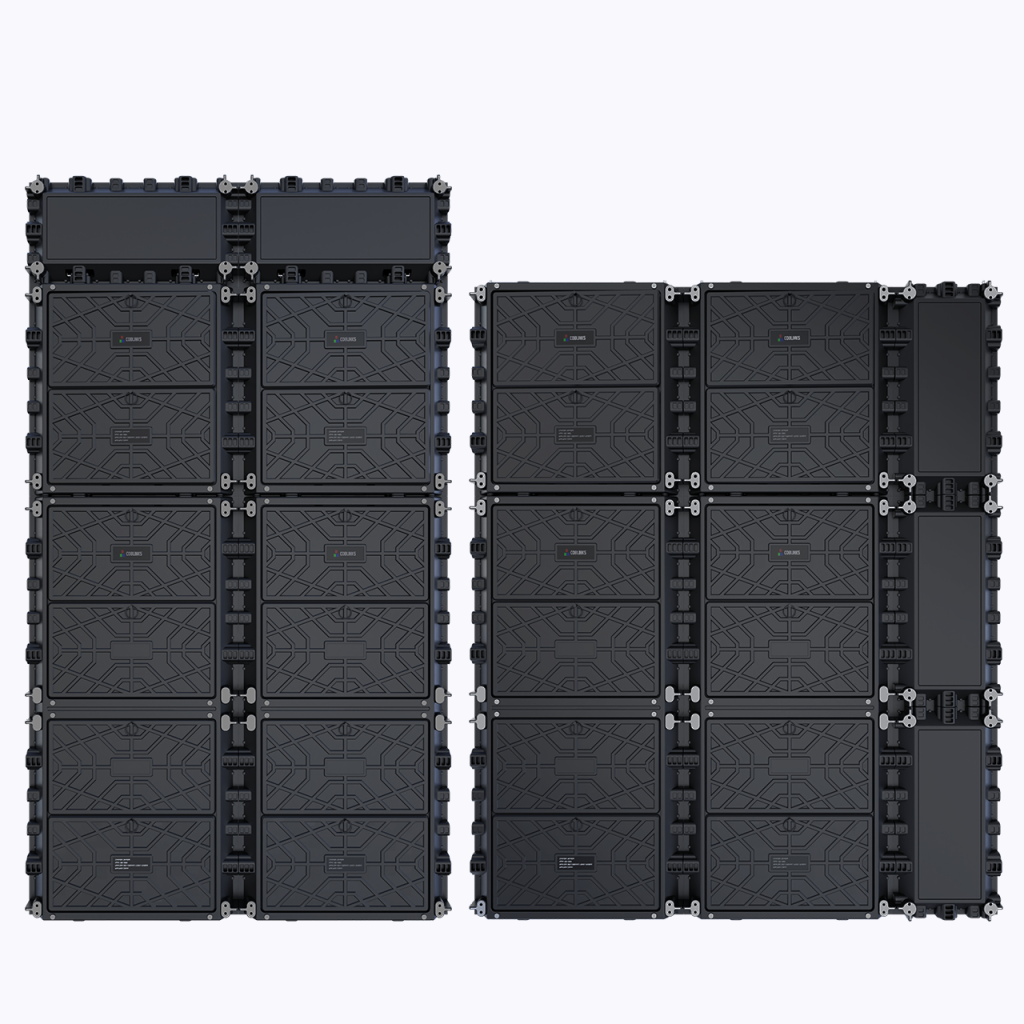
Compare three common approaches: LED modular panels, flexible LED, and direct-view microLED. Modular panels are reliable for large flat walls and simplify serviceability; flexible LED helps with artistic wraps and non-traditional surfaces; microLED offers superior contrast and long life but at a premium. Consider maintenance access: modular panels often allow front service, cutting downtime and operational cost. Think about the video processor and control system early — they determine whether multiple inputs, brightness mapping, or camera-friendly frame rates are feasible.
Integration and installation realities
Integration isn’t just sticking panels on a wall. Structural framing, power distribution, and thermal management shape long-term performance. For indoor retail, acoustic treatment and ambient light control often matter just as much. Choose an installer who provides calibration and a clear maintenance SLA — calibration ensures consistent color across panels, and periodic recalibration preserves brand appearance. Real-world anchor: major retail centers such as Westfield London and New York’s Hudson Yards use scheduled calibration and controlled ambient lighting to keep large indoor displays readable and consistent during peak hours.
Content and operational workflows
Operational expectations determine many specs. If displays will run camera-facing content or be captured for social media, prioritize a higher refresh rate and robust video processing. If the feed is primarily promotional stills, resolution and color depth rule. Factor in content pipeline: who prepares assets, which format they deliver in, and how the CMS schedules playback. A reliable CMS reduces on-floor errors and prevents mismatched aspect ratios — a small process tweak that saves weeks of troubleshooting.
Common mistakes and how to avoid them
Three recurring errors surface across projects: over-spec’ing brightness at the expense of pixel pitch; neglecting service access and spare-part logistics; and underestimating integration time for calibration and testing. Avoid these by specifying a maintenance plan, confirming sightlines and use cases before buying, and requiring a staging period for calibration and proof-of-play. — A staged test run catches alignment, brightness balance, and video sync issues that only appear when the system is live.
Making the final decision: practical checklist
Compare options against these operational metrics: viewing distance vs. pixel pitch, content mix vs. refresh rate, and service strategy vs. panel type. Ask suppliers for case studies relevant to retail installations and check references for post-install support. If you need a turnkey partner, consider a custom led display solution that bundles hardware, calibration, and a CMS — it reduces finger-pointing and shortens time-to-ROI.
Advisory close: three golden rules
1) Match pixel pitch to the primary viewing distance — that decision yields the most visible impact. 2) Require front-access or clearly documented service plans to avoid store downtime. 3) Prioritize a control system that handles your content workflows and supports routine calibration. These rules keep installations usable, maintainable, and aligned with brand expectations.
Technical judgment matters, but so does execution — and that’s where practical partners prove their worth. Coblinks. —