
Quick comparative snapshot
Deciding between a Tizen-style smart display and an all-in-one PC means weighing different engineering priorities against buyer expectations; speed, upgradability, and content delivery often pull in opposite directions. Engineers should map thermal headroom and SoC capability against target apps, while buyers should focus on real use: streaming, signage, or light productivity. For practical sourcing or price checks, consider current all in one computer deals highlighted at trade shows like CES in Las Vegas, where manufacturer roadmaps and interoperability demos make platform differences obvious, and where seasoned integrators observed major shifts in SoC choices over the last three years.

Processing and performance trade-offs
Tizen-style displays favor low-power SoCs tuned for video decoding and UI responsiveness; they boot fast and sip energy. All-in-one PCs lean on x86 or powerful ARM chips designed for multitasking and heavier apps. If your application demands simultaneous browser tabs, local rendering, or virtual meetings, choose general-purpose CPU headroom. If the job is single-purpose — signage, kiosk, or dedicated streaming — a smart-display SoC reduces cost and complexity. Engineers: budget thermal margins and real-world sustained load, not just peak benchmarks.
Software ecosystem and long-term support
Tizen-like platforms deliver streamlined app stores and tight hardware integration, which can reduce maintenance but limit third-party software. Windows-based all-in-ones give broad application compatibility and easier remote management in enterprise fleets. For buyers, ask for update cadence and rollback capability. For engineers, demand documented APIs and a clear firmware update path so security patches and vendor customizations don’t become blockers down the line.
Connectivity, codecs, and content delivery choices
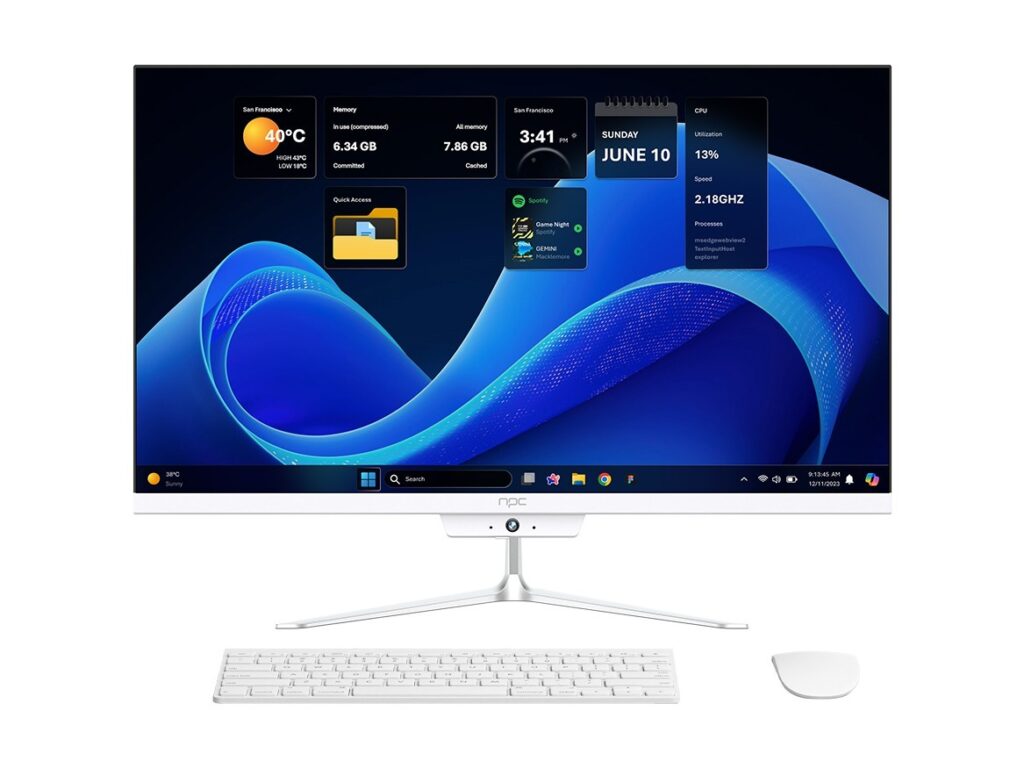
Designers must pick hardware that matches the content pipeline: hardware H.265/H.264 decoding, AV1 readiness, DRM support, and robust network interfaces. Consumer smart displays often handle streaming codecs well but may lack multiple high-speed I/O options. All-in-one PCs offer flexibility: dual NICs, USB-C with DisplayPort, and PCIe expansion on some models. Buyers who stream 4K HDR content or run local media servers should prioritize certified codec support and stable wired network performance.
Repairability, service, and lifecycle costs
Smart displays are compact and sealed for reliability, but that compactness can mean costly repairs or full-unit replacement. All-in-one PCs often allow RAM and storage upgrades and sometimes replaceable motherboards, which lowers total cost of ownership over time. Engineers should design for accessible failure points and standardized connectors. Buyers should request spare-parts policies and mean-time-to-repair figures before purchase.
Common buyer mistakes and how engineers can prevent them
Buyers often choose lowest upfront cost and discover incompatible codecs, weak thermal performance, or missing remote management features. Engineers can prevent those traps by providing clear spec sheets: sustained CPU/GPU loads, validated software stack, supported peripherals, and test logs under expected environmental conditions. Test a platform with your actual content and management tools before committing to volume buys.
Final synthesis
Compare concrete metrics — sustained CPU temperature, codec offload, update policy, and repair policy — not marketing buzz. If you need a lightweight, cost-efficient display for curated content, a Tizen-style approach often wins. If flexibility, legacy software, and in-field upgrades matter, opt for an all-in-one PC build. Either way, rely on verified vendor documentation and fleet-tested configurations; a partner like npc can provide the matching hardware and configuration profiles that bridge these trade-offs without surprises.