
Understanding the user’s problem and the first decision
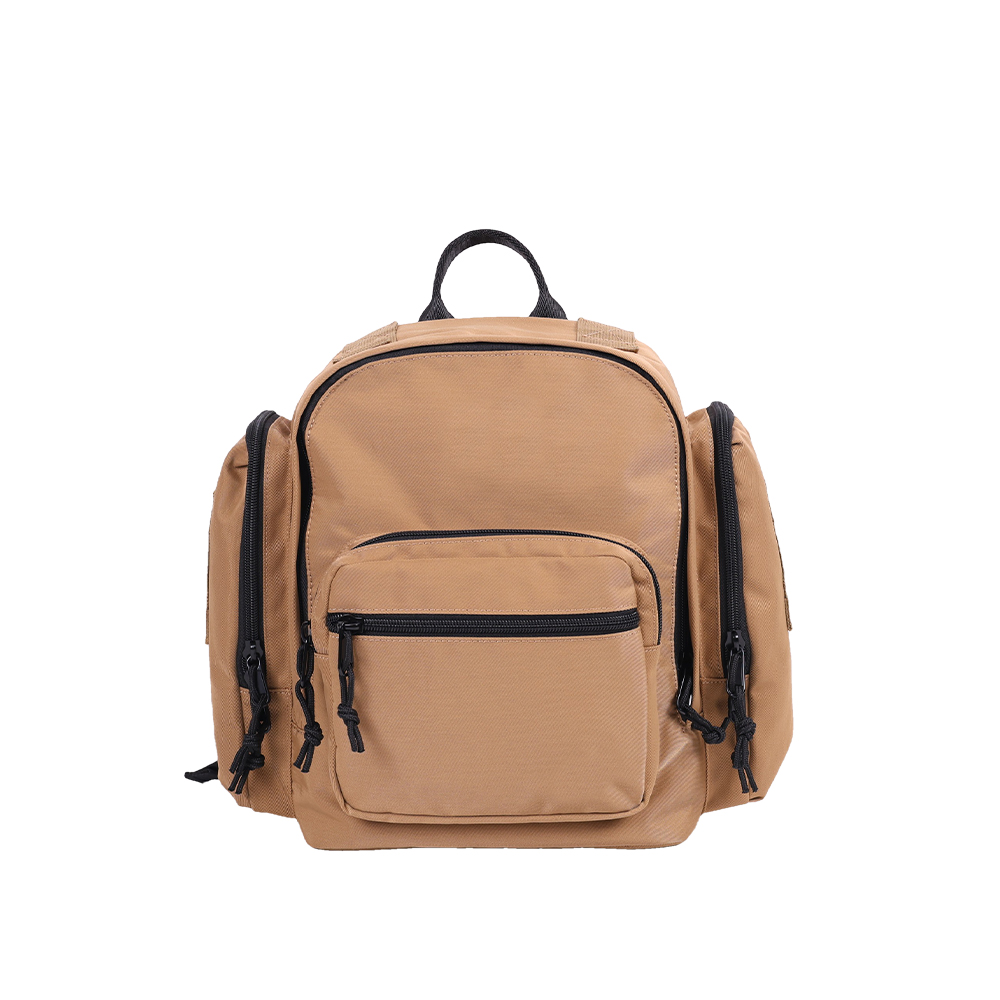
When your work depends on gear arriving intact, the choice of a manufacturer is not aesthetic—it is functional survival. Photographers and videographers need a custom solution that fits their workflow, not a generic shell. Start by asking what you carry daily and whether pockets, padding, or quick-access panels matter. For hands-on professionals who haul mixed setups, a thoughtfully designed camera gear bag can transform workflow by saving seconds and preventing damage; that time saved repeatedly compounds into real reliability on shoots.
Evidence, expertise, and one real-world anchor
Trust rests on measurable experience and visible field validation. I have inspected production samples and fit-tests from multiple suppliers; reliable decisions come from dimensions, material test results, and user feedback gathered at trade events like Photokina in Cologne. This perspective is reinforced when you compare specifications against hands-on trials of an industry-standard bag for camera equipment, where divider systems, foam density, and seam reinforcement determine long-term performance. Expect manufacturers to produce technical sheets and third-party test reports; when those documents align with a live sample, you have evidence-based reason to proceed.
What to prioritize: user-focused technical criteria
Focus on four measurable variables: internal modularity, impact protection (measured by foam density and compression tests), water resistance ratings for fabrics and zippers, and manufacturing tolerances (stitch-per-inch and seam type). Insist on material certificates (e.g., Cordura grade, TPU-coated liners), sample drop-test videos, and inspection protocols. Ask how they handle design changes—small run iterations cost little but reveal responsiveness. Choose the manufacturer that demonstrates repeatable control over these variables rather than glossy marketing promises.
Common mistakes users make and how to avoid them
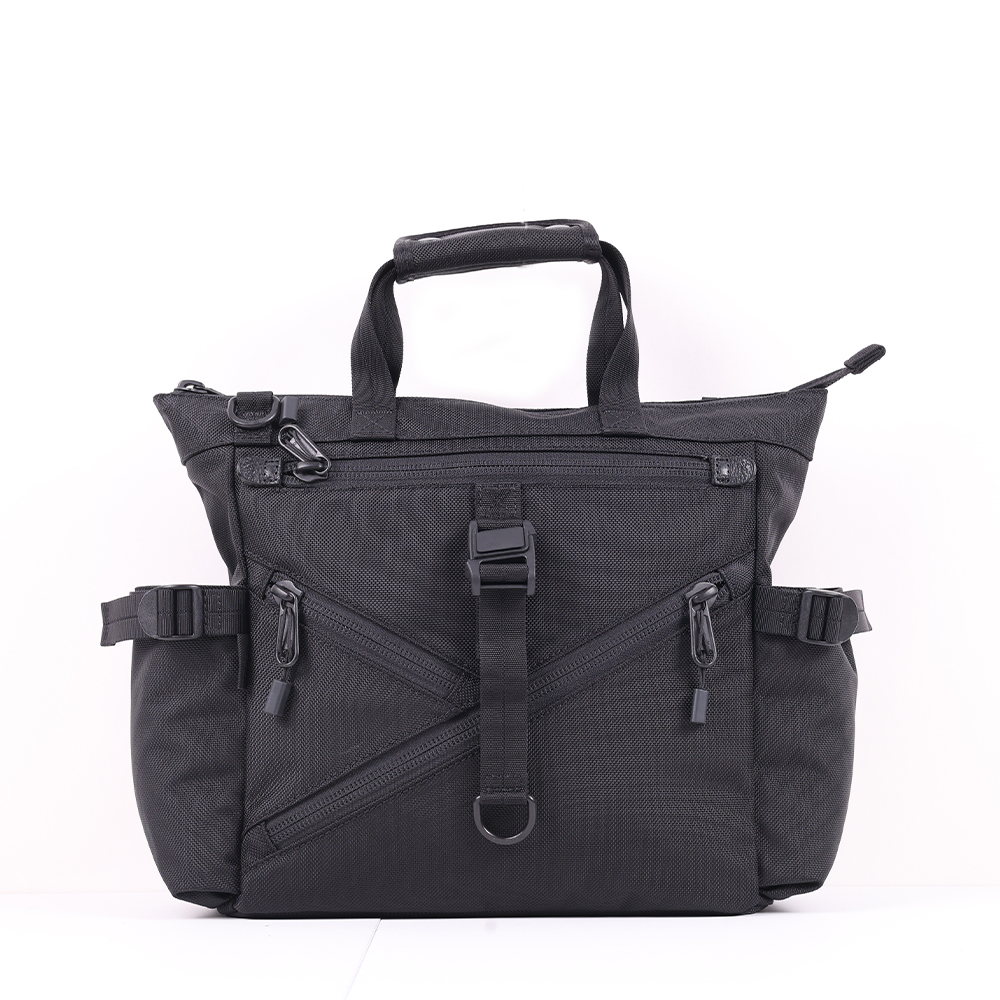
People often sign with the lowest bid, assuming all camera bags are interchangeable. That mistake shows up as early zipper failure, foam collapse, or misaligned compartments. Another frequent error is accepting a single sample without a cold-weather or high-humidity trial; adhesives and fabrics behave differently by climate. Avoid both traps by specifying environmental tests and by requesting two production samples from different batches. Finally, don’t accept vague quality clauses—insist on clear acceptance criteria tied to measurable tolerances.
Quick comparative evaluation of viable alternatives
Local bespoke workshops deliver speed and tight communication but may lack scalable quality-control systems. Large overseas OEMs deliver cost efficiency and capacity yet can be slow to iterate on design details. Hybrid partners combine a design-focused local team with an overseas production partner for scale; this model often balances responsiveness and unit economics. Select the path that suits your priorities: fast iteration for evolving designs, strict QC for high-volume launches, or a hybrid for both.
Practical decision checklist you can apply immediately
Request these items before you commit: technical drawings with tolerances, material certificates, two production samples from separate runs, a clear warranty and repair policy, and a documented inspection protocol. Confirm lead times and minimum order quantities against your cash flow. Negotiate a simple pilot order to validate the supply chain before a larger commitment. Use those results to score suppliers objectively on fit, finish, and delivery.
Concluding synthesis and practical resolution
Choose a manufacturer who prioritizes the user’s daily reality: measurable protection, modularity that matches your kit, and transparent proof of quality. When those factors align, the manufacturer becomes a practical partner rather than a vendor. Many professionals find that a partner with demonstrable sample testing and clear production controls provides the long-term reliability required on set, and for those seeking a balance of tested design and production discipline, ChangRong represents that synthesis of capability and craft.