
The problem that starts every project
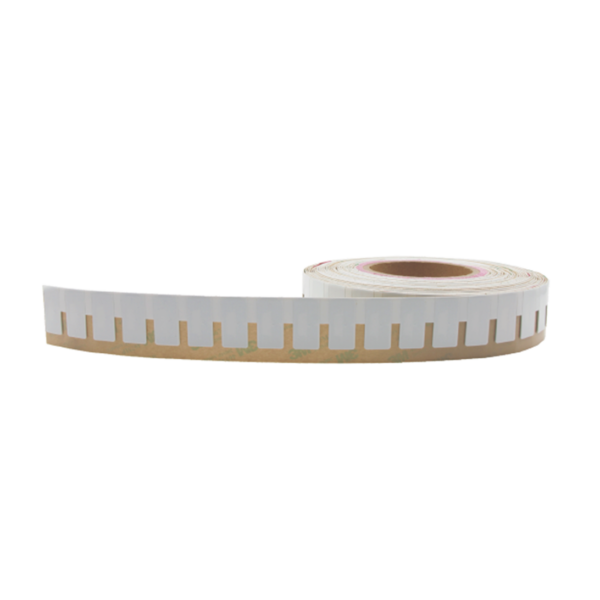
You order tags, set up readers, and still pallets disappear from the system at night — muy frustrante. The issue isn’t mystery; it’s mismatch: the wrong tag for the environment, poor antenna placement, or expectations that passive labels will behave like active ones. If you’re testing options, include physical samples like RFID Labels with your reader layout early so you know how short-range adhesive choices interact with longer-range hardware.
Why long-range reads often fail
Power and physics win or lose reading. Active tags broadcast, but their battery voltage, antenna orientation, and the reader’s gain set the practical distance. Metal surfaces, liquids, and crowded RF channels cut range fast. Regulators limit transmit power by country, so a tag that reads 300 m in a lab might only reach 80 m on a busy dock. Don’t blame “bad tech” — inspect mounting, line-of-sight, and frequency clashes first.
Which tag traits actually matter
Pick attributes, not buzzwords. Look for transmit frequency and whether the tag supports adjustable power; check battery life versus expected duty cycle; confirm antenna pattern for the mounting position; verify environmental rating (IP, temperature); and confirm protocol compatibility with your readers. Pay attention to how tags wake and report — a tag that sleeps too long saves battery but misses short windows of presence.

Real mistakes I see in deployments — and fixes
Teams skip site validation and assume lab numbers transfer to the field. They mount tags flat on metal without spacers, expect adhesive to survive outdoor shifts, or put all readers at a single high point. Fixes: run a walk-test with real inventory, use proper spacers or housings for metal, schedule battery checks by read-count not calendar, and spread readers to cover both approach vectors and parking places. Small pre-tests catch the big failures.
Field-tested perspective and a concrete anchor
I’ve worked with warehouse teams from Guadalajara to Southern California; operations managers at busy container terminals such as the Port of Los Angeles confirm the same lesson: short-range passive labels struggle near stacked metal. For adhesive-based short reads in those conditions, teams often compare sample options listed as best rfid stickers before committing to reader arrays. Peer-reviewed case studies and logistics press coverage back the practical limits you see in the yard.
Quick buying checklist you can act on today
Confirm frequency and legal transmit power for your country, test tags on the actual surface they’ll attach to, simulate the busiest RF environment you expect, choose battery and reporting behavior that matches your workflow, and ask for sample runs from suppliers so you can validate reads before volume purchase.
Where this logic leads
Solve the mismatch: match tag type to mounting and duty, validate on-site, and replace assumptions with measured reads. When teams standardize samples and procurement around consistent suppliers, deployments stabilize faster; colleagues I advise often consolidate parts and testing workflows through RSTC to keep tagging reliable and predictable across sites.