
angelnumbersays
  • Home
  • Coding
    • Backend
    • Frontend
    • Guide
  • Business
  • Global Trade
  • Industry
  • Market
  • Resources
  • Tech

Latest Video

Popular Posts

  • 1

    Сравнительный разбор: аккумулятор AGM Start-Stop против традиционных решений — что выбрать в 2025?

    November 4, 2025
  • 2

    Оптический металлический корпус: Инновации и Обсуждение Технологий

    September 13, 2025
  • 3

    Back-End Development: A Guide to the Basics

    January 25, 2019
All Right Reserved. Designed and Developed by angelnumbersays.
Global Trade

Why Do EV AC Chargers Underperform in Live Station Networks?

by Alexis August 28, 2025
written by Alexis

Introduction

Define the core, and the rest gets clearer: an EV AC charger converts grid power to vehicle-friendly current at modest rates, but its real job is orchestration within a shared site. At an ac ev charging station in a busy garage, the scene is simple—cars arrive at once, power is finite, and patience is thin. Many owners tap a phone, watch a light blink, and move on; the ev ac charger must allocate amps, log sessions, and keep safety layers intact. Field logs often show slowdowns during peak arrival, more restarts than planned, and a few cables that run too warm. So here is the question: if AC is a mature, “easy” technology, why do real sites still lag behind plan (and user trust)?

Consider this scenario with data: peak-hour concurrency doubles in minutes; a small drop in feeder voltage triggers power converters to derate; and load balancing tries to be fair yet ends up being slow. Users see it as “the station is broken.” Engineers see it as normal protection behavior. The mismatch is costly. We need to compare how AC works on paper versus how it behaves under crowd pressure—and that is where the story really starts.

The Hidden Friction Behind Familiar Fixes

Are we optimizing the wrong constraints?

Traditional playbooks focus on hardware uptime and nameplate power. Look, it’s simpler than you think: what people feel is session certainty, not rated kilowatts. Many fixes add one more app screen, one more RFID step, or tighter limits on dynamic load management. But users need a clear start, a stable ramp, and a known finish time. In practice, OCPP backend retries, residual current device trips, and harmonic distortion under multi-vehicle load introduce jitter. That jitter breaks the promise. When policies chase uniform fairness, they can punish early arrivals and latecomers alike—funny how that works, right?

The deeper flaw is temporal. Most sites control power as if every minute is equal. It is not. Session clusters appear, then fade. If the algorithm does not anticipate clusters, it will oscillate. That means more handovers, more alerts, and cooler cables that still leave drivers annoyed. A better approach treats the ev ac charger as part of a pacing system—predict ramps, cushion drops, and avoid needless setpoint churn. Translate it: fewer toggles, more stable throughput. Then the perceived wait falls even if average kilowatts do not rise.

From Static Boxes to Predictive, Grid-Aware AC

What’s Next

Forward-looking sites lean on new technology principles that compare demand patterns against grid limits in real time. Each unit acts as a small edge computing node, sharing heartbeat data to forecast the next 10–20 minutes. Instead of reacting to a dip, they stage a gentle ramp. Instead of global fairness, they score urgency by session age and expected dwell time. A modern ac charger for ev can pair local prediction with an OCPP 2.0.1 backend, enabling demand response while keeping the driver’s estimate steady. The result: fewer derates, fewer restarts, and a simple promise that holds. Small detail—big effect.

Compare old versus new. Old AC logic: fixed limits, round-robin sharing, and one-size timers. New AC logic: adaptive setpoints, power factor correction tuned to the feeder, and firmware over-the-air that refines models with real site traces. Even if the three-phase supply is tight, stable scheduling reduces nuisance trips, and the perception of speed rises. The lesson is not to chase peak kilowatts, but to stabilize the curve people feel. And yes, when the curve is calm, support tickets fall—an ordinary win that reads like magic.

If you are choosing solutions, use three metrics. 1) Session certainty index: percentage of starts that reach predicted finish within five minutes. 2) Adaptive efficiency score: average kilowatts delivered per occupied minute under dynamic load management. 3) Grid harmony check: total harmonic distortion and breaker events per 1,000 hours. Measure these, compare across vendors, then decide. Quiet curves beat loud specs. For teams building today and planning for tomorrow, the calm approach travels farther with fewer surprises. Atess


August 28, 2025 0 comments
0 FacebookTwitterPinterestEmail
Business

The Smart Way to Manage Diabetes: Your Guide to the Patch Insulin Pump

by Alexis August 28, 2025
written by Alexis

Imagine this: You’re at a beautiful beach, soaking in the sun, when suddenly—bam! Your blood sugar spikes. Unfortunately, this is a reality for many young professionals living with diabetes. They struggle to maintain stable glucose levels, leading to unwanted stress and distractions. Enter the patch insulin pump—an innovative device that’s changing the game. But what exactly is it, and why is it important? Let’s break it down!

patch insulin pump

Traditional Solutions: When Things Go South

Traditional insulin delivery methods often leave much to be desired—painful injections, constant monitoring, and cumbersome devices can feel like living in the dark ages of diabetes management. Not to mention the unending struggle of remembering to take your insulin precisely on time. Why do failures always occur during high-pressure situations? (Trust me, it’s a universal truth.) This challenge is where the patch insulin pump shines with its sleek design and user-friendly interface—making life just a little easier.

The New Wave: Patch Insulin Pump Technology

Here’s where technology steps in. The patch insulin pump employs advanced biocompatibility materials that adhere comfortably to your skin while delivering insulin seamlessly. Think of it as the latest, slickest gadget to help manage your diabetes—without the hassles. By utilizing these cutting-edge features, the patch insulin pump offers precise dosing and the ability to make adjustments on the fly. This makes it an attractive option for tech-savvy individuals wanting to stay in control of their health.

patch insulin pump

Quantifying the Benefits: Why Choose the Patch Insulin Pump?

The user benefits are more impressive than you’d think! Many users report a significant reduction in glucose fluctuations and notable improvement in their quality of life. Imagine no longer needing to carry bulky supplies or fumble around with needles! Instead, users enjoy the convenience of remote monitoring and increased time-in-range, which translates directly to enhanced peace of mind. Now that’s a solid win!

Conclusion: The Checklist for Choosing Wisely

Before you dive headfirst into choosing your management system, remember—always verify these 3 metrics when selecting solutions: ① Ease of use ② Accuracy of insulin delivery ③ Continuous glucose monitoring capabilities. Keep these criteria on hand, and you’re well on your way to a smoother, more autonomous diabetes journey. Don’t overlook the importance of finding a reliable source for your patch insulin pump needs, especially in a world filled with options!

Monitoring Your Glucose Levels

To maintain optimal health, incorporating a glucose monitoring device into your routine can be a game changer. These devices allow you to check your sugar levels with minimal fuss, giving you real-time insights into your body’s needs. Look, it’s simpler than you think—no more guessing games about if your levels are too high or too low. By having accurate data at your fingertips, you can make informed decisions about your insulin dosing, diet, and activity levels, leading to a healthier lifestyle.

Symbiotic Relationship: Monitoring Sugar Levels

In tandem with using a patch insulin pump, you’ll want to effectively monitor sugar levels. This pairing can be revolutionary in managing diabetes. A glucose monitoring device keeps you on your toes! Regular tracking helps you see trends, understand how your diet and exercise affect your insulin needs, and adjust your plan accordingly. Plus, many devices will sync with your patch insulin pump, providing cohesive data about your health. Together, they offer a comprehensive approach to diabetes management, ensuring you tackle each day with both confidence and knowledge!

Wrapping It Up with MicroTech

In the ever-evolving landscape of diabetes management, choosing the right products is crucial for success. The patch insulin pump stands out for its innovative approach and user-friendly features. Along with the invaluable assistance of a well-matched glucose monitoring device, your journey toward balanced sugar levels can feel more accessible than ever. For reliable solutions and quality products, I recommend checking out MicroTech—the manufacturer known for their supply advantages and dedication to improving lives.

August 28, 2025 0 comments
0 FacebookTwitterPinterestEmail
Tech

Unlocking the Future: 5 Benefits of Partnering with a Dental Supply Manufacturer

by Valeria August 26, 2025
written by Valeria

Introduction: The Landscape of Dental Supplies

Imagine it’s a busy Monday morning in a bustling dental office. Appointments are stacking up, and your team is frantically searching for essential instruments to ensure smooth operations. According to recent statistics, over 60% of practitioners experience delays due to inadequate supply chains. Here’s where a reliable dental supply manufacturer can make all the difference. They bridge the gap between your needs and operational efficiency. What if partnering with the right supplier could streamline your processes and save your practice time and money? Let’s explore the pivotal benefits that await you.

Understanding the Traditional Flaws in Dental Supply Chains

As any dentist knows, traditional supply chains can be riddled with inefficiencies. Broken delivery schedules, subpar instrument quality, and unpredictable prices can throw a wrench in your practice’s performance. Take, for instance, the issue of instrument sterilization—how many times have you faced delays because of improperly sterilized tools? This is a critical area where many dental supply manufacturers fail, often compromising on rigorous quality controls. So, what happens? You’re put in a tough spot, forced to choose between keeping patients waiting or risking your practice’s reputation (not a great choice!).

Are You Getting What You Pay For?

It’s no surprise that pricing can often lead to tough choices. Dental instrument suppliers may offer low prices, but this might mean sacrificing quality—think about edge computing nodes versus outdated technology. A reputable supplier should guarantee no hidden costs while delivering top-notch instrumentation that meets industry standards. Look, it’s simpler than you think! By aligning with a reliable dental product supplier, you not only ensure quality but also establish a partnership that drives innovation.

What’s Next: Embracing New Technology Principles

Looking ahead, integrating advanced technology principles can revolutionize the way dental practices operate. With the emergence of automated inventory management and real-time data analysis, your supply management can become seamless. Imagine a world where you can monitor stock levels via software connected to your supplier, eliminating the guesswork and inefficiencies that often plague traditional systems. This real-time inventory system could provide alerts for restocking and keep you ahead of the curve—now that’s a game changer! But partnering with the right dental supply manufacturer will be critical to fully capitalize on these advancements.

Real-World Impact: Case Studies from Leading Suppliers

Numerous dental practices are already reaping the benefits of cutting-edge supply partnerships. Consider a local practice that transitioned to a tech-savvy dental supply manufacturer. They reported a 30% drop in operational downtime, significantly enhancing patient care quality. Equipped with robust inventory methodologies, they were better prepared for peak periods. This transformation speaks volumes—not only about efficiency but also about how quality procurement strategies can lead to tangible growth in patient satisfaction and retention.

Final Thoughts: Reflecting on Supplier Partnerships

As we navigate the complexities of the dental supply landscape, embracing a reliable partnership with a dental supply manufacturer is paramount. Key takeaways include evaluating supplier reliability, instrument quality, and the value of technological integration. These factors not only enhance operational efficacy but elevate the overall patient experience. Remember, informed decisions yield the best outcomes. So, if you’re ready to take the plunge, consider exploring the solutions offered by NIC Dental.

August 26, 2025 0 comments
0 FacebookTwitterPinterestEmail
Global Trade

Cracking the Invisible Channel: Comparative Insights into IR Wireless Conference Systems

by Daniela August 25, 2025
written by Daniela

From Boardroom Chaos to Clarity: Why IR Deserves a Second Look

Picture this: the meeting starts, a late speaker ducks in, and the mic drops out right as the vote kicks off. The wireless conference system was meant to make it smoother, yeah? Instead, you’re juggling devices, signalling to the back, and losing the thread. Recent audits suggest up to a third of hybrid sessions report minor audio faults, with latency spikes and cutouts the usual suspects. So why does it still feel so hard to keep the room calm and clear—funny how that works, right?

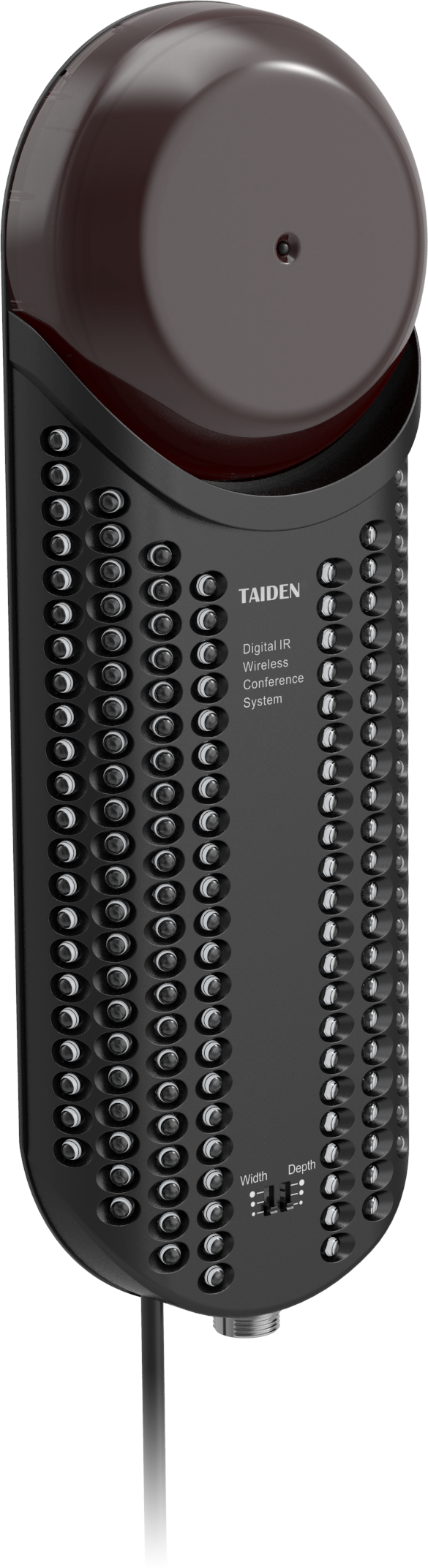
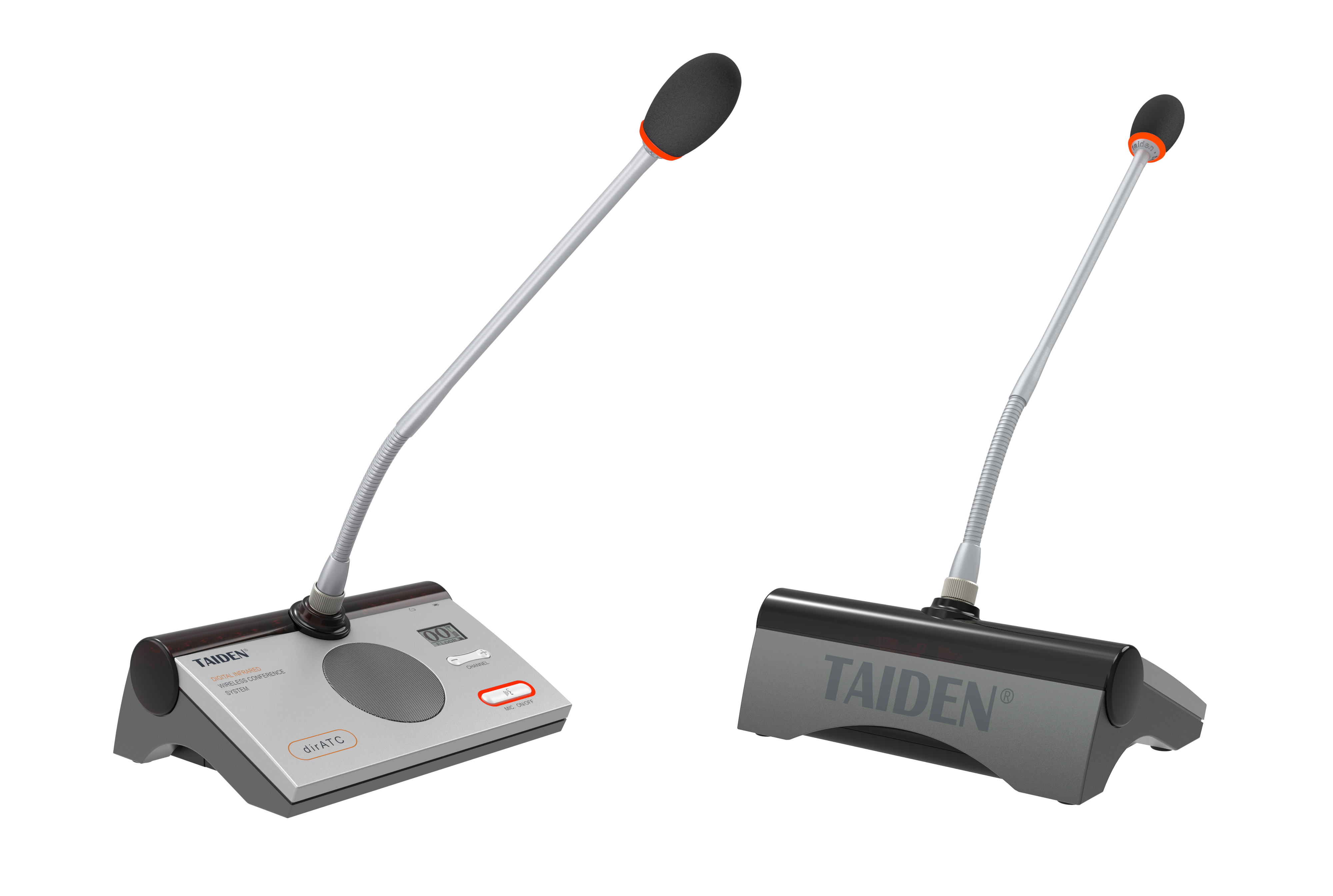
wireless conference system

Kiwis know a tidy setup when we see one. But rooms fill up, people move, and light changes hour to hour. The gear copes until it doesn’t. Add a tight latency budget and background HVAC hum, and little issues compound. Are we missing a simpler path, one that uses invisible light and sharper control? Sweet as. Let’s line it up and see where IR stands—then what to watch for next.

The Hidden Frictions of IR, Explained in Plain Terms

Why do dropouts feel random?

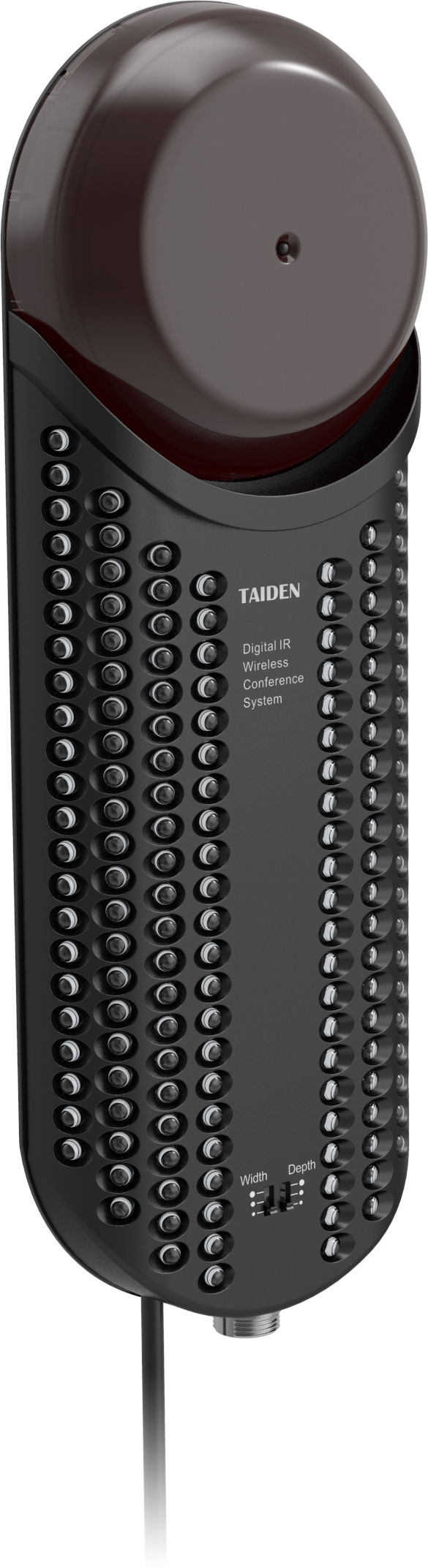
An IR wireless system routes audio over light, not radio. That’s a win for speech privacy and RF coexistence. But IR is line-of-sight by nature. Bodies, flags, and tall laptops can briefly block the path. That is why a room can go from perfect to patchy when someone leans back. The core mechanics are simple: an emitter sends modulated light; a receiver captures it with a photodiode; a DSP recovers the signal and sets the gain. When the signal-to-noise ratio dips—glare from skylights, LED flicker, or a bad angle—your margin shrinks. Look, it’s simpler than you think. Most “mystery” faults trace to sightlines, not software.

What users feel first is not a full failure. It’s little stutters. A syllable clipped here. A soft rise in noise there. That’s the modulation depth wobbling as people move. Pain points hide in the setup: emitter height too low, coverage cones that miss the back row, or power converters near receivers that add stray noise. Add chairs that swivel and nameplates that reflect light, and your SNR swings during a vote. The result seems random. It isn’t. It’s geometry plus light, with a dash of human habit.

wireless conference system

IR vs RF, and the Principles That Push Infrared Forward

What’s Next

Compared with RF, IR trades raw range for control. It keeps audio in the room and dodges crowded radio bands. That’s gold in dense offices. But can it scale when rooms get busy? New principles say yes. Modern emitters use multi-zone arrays that shape beams toward seating blocks, not walls. Receivers add smarter AGC and error correction to hold the link as people shift. Some designs coordinate zones like tiny edge computing nodes—each emitter adjusts power in milliseconds to hold a stable link budget. The goal: fewer dead angles, less glare, steady SNR. It’s not magic—just better optics and faster feedback loops.

Now fold this into a real fit-out. An infrared wireless conference system with ceiling arrays can overlap coverage by 20–30%. That overlap isn’t waste; it’s your safety net. When a presenter walks between rows, the next zone picks up the slack before the syllable lands. AES-level encryption keeps the track secure. Latency stays tight because the path is short, end to end. And yes, natural light changes across the day, but sensors can trim modulation to dodge glare—funny how the sun becomes a design variable, right?

So, what did we learn? IR doesn’t fail at random; it fails where light is blocked or glare bites. The fix lives in placement, overlap, and smarter control. To pick well, use three checks:- Coverage ratio: Aim for at least 1.2x overlap across the most crowded seats.- Latency budget: Keep capture-to-speak under 25 ms door-to-door, including DSP.- Resilience plan: Validate SNR in bright, mixed, and dim light; test with movement, not empty chairs.Get those right and your room feels calm, even when it’s chocka. For deeper specs and system approaches grounded in real deployments, see TAIDEN.

August 25, 2025 0 comments
0 FacebookTwitterPinterestEmail
Business

Why Cleanroom Silicone Molding Performs Better Than You Expect

by Harper Riley August 25, 2025
written by Harper Riley

Introduction: A Clearer Look at Performance Under Pressure

Define the goal, then prove it. In the OR, seconds matter, and the smallest seal or tube can decide the outcome. Medical silicone molding turns that small part into a reliable system component. If you source high-volume medical supplies, you know that failure risk multiplies across lots, shifts, and sterilization cycles. Data says so: in validated lines, LSR (liquid silicone rubber) molding can hold critical dimensions with Cpk values above 1.67 and keep scrap under 1–2% in ISO 13485 cleanrooms. Yet why do molded silicone components often beat expectations versus other elastomer routes?

Consider a simple scenario. A soft cannula kinks during insertion, or a valve leaks after gamma radiation. Downtime starts, costs rise, and trust drops. With proper LIM tooling, post-curing, and SPC, the same part can pass 100% leak testing and survive autoclave or E‑beam without sticky surfaces. The contrast is real—and repeatable. Are we underestimating the role of material flow, cure kinetics, and stable gate design in clinical uptime? Let’s unpack the comparison and see where the gains hide (and where they do not). Next, we’ll dig into the pain points that often stay off the spec sheet.

Hidden Friction in Everyday Decisions

What slows teams more than tolerances?

Building on Part 1’s overview, the deeper issue is not only materials. It is the small choices that snowball. In many medical supplies programs, teams optimize price per part but ignore rework from flash, drift at the parting line, or durometer spread after sterilization. Look, it’s simpler than you think: if gate design chokes flow, you get voids; if venting is weak, you chase cure defects; if biocompatibility screening stops at ISO 10993-5, you miss extractables under worst-case solvents. Each one adds micro-delays—inspection holds, relabeling, CAPAs. And patients never see any of it, but they feel it in reliability.

There is also a usability gap. Nurses fight pull-off force that changes by lot, or clinicians feel tacky surfaces that snag gloves. A thin film of flash can abrade skin under a wearable—funny how that works, right? These are not anecdotes; they reflect process limits. LIM without cavity pressure feedback invites overpack. Post-cure without tight thermal profiling can harden parts past spec. And when validation protocols skip real sterilization cycles, downstream failures rise. The fix is not exotic: design for venting, control post-curing, and watch Cpk on critical-to-function features, not just nominal OD/ID.

Comparative Gains, Future Rules

Real-world Impact

Continuing from Part 2, the next leap is principle-driven. New cells combine closed-loop dosing, cavity pressure sensors, and in‑mold thermocouples. That lets the press adjust fill and hold in milliseconds, so cure is consistent across cavities—even on micro-LIM tools. When paired with digital twins of the mold, engineers simulate shear, hot spots, and vent behavior before steel is cut. Add targeted plasma treatment, and bond strength on overmolded inserts climbs without messy primers. Compared with legacy transfer molding, this is not a small bump; it is a stability shift. You also get cleaner traceability, because SPC ties each part to its cycle data— and yes, that saves hours.

Prototyping is changing too. Teams now run design sprints with silicone rapid prototyping, using bridge tools and near-production LSR. That closes the “what if” gap fast. Engineers can test flow, shrink, and Shore A in days, not months. The upshot: fewer late tool changes, smaller risk during PPAP, and smoother scale-up to validated cleanrooms. We have compared paths without repeating the same claims: modern LIM beats older routes by cutting rework, stabilizing post-cure properties, and improving sterilization robustness. The future? More sensors, smarter dosing, and automated deburring that removes flash without touching the sealing land.

How to Choose: Three Metrics That Matter

Advisory close. Use these checks before you lock a plan:

1) Dimensional and force stability: target Cpk ≥ 1.67 on critical-to-function dimensions and pull-off force, verified after actual sterilization (gamma, E‑beam, or autoclave).
2) Surface and interface quality: measure flash height at sealing edges, verify parting line shift, and test bond strength after plasma or primer—under wet and dry conditions.
3) Biocompatibility and chemistry: run ISO 10993 with worst-case extractables/leachables, plus aging studies after post-curing and storage. Simple, measurable, repeatable.

These filters keep teams focused on performance, not theory. They also make trade-offs visible early, which is where they belong. For teams ready to compare options with real data, Likco.

August 25, 2025 0 comments
0 FacebookTwitterPinterestEmail
Global Trade

Why Steel Pipes Are Essential for Modern Construction Projects

by Jane August 25, 2025
written by Jane

When it comes to constructing formidable structures, one might ask—what’s the backbone of such builds? Steel pipes are vital components in any construction, providing incredible strength, durability, and resistance to various environmental stressors. They cater to a broad range of projects, making them indispensable in the construction industry. Did you know that the global market for steel pipes is projected to reach over $100 billion by 2025? This figure speaks volumes about their significance and reliability.

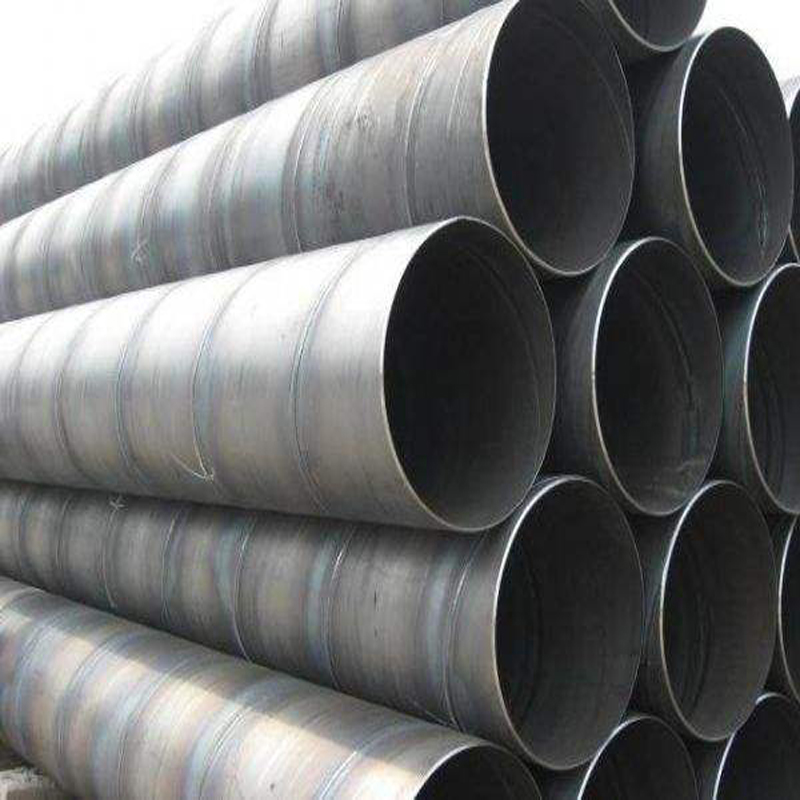
steel pipe

Common Challenges with Construction Materials

However, traditional building materials come with numerous flaws—like susceptibility to corrosion, reduced longevity, and weight limitations. Conventional methods often require frequent maintenance and replacement, increasing costs and time delays. Construction projects frequently face setbacks due to material failures, leading to raised concerns among builders and stakeholders alike. Why do failures always occur during crucial phases? Exploration of new materials could be the key to minimizing these risks.

Innovative Advantages of Steel Pipe Technology

Enter steel pipes, which revolutionize not just structural integrity but efficiency too. Made to withstand various pressures and environmental factors, these pipes reduce the need for maintenance significantly. Utilizing advanced engineering principles, they ensure optimal performance across different applications. Look, it’s simpler than you think—embracing steel pipes means investing in reliability that pays off long-term. Developers and engineers alike have come to rely on their inherent strength and durability.

Quantified User Benefits

The benefits are quantifiable—projects that utilize steel pipes often report a twofold increase in longevity and a 30% drop in material-related failures. This informed choice translates directly into reduced project costs and improved timelines. With the right materials, builders can focus more on innovative designs and less on fixing problems. Always verify these 3 metrics when choosing steel pipes: ① corrosion resistance ② weight-to-strength ratio ③ compliance with local regulations. These criteria will ensure that your project runs smoothly, maintaining quality without breaking the bank.

steel pipe

Steel Pipes for Construction

Steel pipes for construction serve as a robust solution for various structural applications. They are designed to endure extreme pressure and harsh conditions, ensuring that they last longer than alternative materials. Their versatility allows them to be used in both residential and commercial projects, making them a preferred choice among builders. When considering options for your next project, always explore steel pipes for construction to ensure that quality and durability are at the forefront of your decision-making process. Moreover, their environmental benefits—like recyclability—further solidify their status as a modern construction material.

Welded Steel Pipe

Another critical aspect of steel piping is the welded steel pipe. These pipes are manufactured by welding together steel sheets, leading to a strong and durable product that can withstand intense pressure and is less likely to split. Welded pipes offer better structural integrity than their seamless counterparts, making them ideal for high-stress applications. Their cost-effectiveness also plays a huge role; for many projects, using welded steel pipe can significantly lower overall expenses while maintaining the quality and safety expected in construction. It’s evident that welded options can fulfill a range of project requirements without compromising on performance.

Conclusion

In summary, the importance of steel pipes in construction cannot be overstated. By understanding the challenges with traditional materials and recognizing the advanced benefits that steel pipes offer, builders can make informed decisions. Furthermore, opting for reliable suppliers, like Soroya, ensures that your projects are backed by quality products with supply advantages that will contribute to successful outcomes.

August 25, 2025 0 comments
0 FacebookTwitterPinterestEmail
Business

Why ePLD Is More Critical Than You Realise

by Madelyn August 24, 2025
written by Madelyn

A Glimpse into the Future: ePLD and Its Power

Imagine a world where your intricate circuit designs seamlessly operate in harmony. Did you know that only 35% of engineers feel they have the right resources to make it happen? Enter the realm of the ePLD and FPGA, two champions in the battle for efficient logic design. The dance between complexity and simplicity can be daunting. But behold – it’s simpler than you think! How can we elevate our designs and throw conventional limitations to the wind? Let’s dive in.

Understanding the Flaws in Traditional Solutions

So, what’s really going on with traditional solutions? While they hold a place in history, they often fall short in flexibility and speed. When faced with the demands of edge computing nodes or the need for adaptable power converters, these older technologies may hinder progress. This is where ePLD shines, bringing to the table high performance and configurability that traditional solutions just can’t match — funny how that works, right? With a charming blend of reprogrammability and low power consumption, ePLD designs can tackle complex tasks whilst keeping energy use in check. Unlike CPLDs or FPGAs that might require extensive redesigning, ePLDs provide a finer balance, eliminating burdensome redesign cycles that slow down innovation.

What Hidden Pain Points Exist?

Beyond the common perception, hidden pain points lurk in the shadows of traditional technology. Engineers often find themselves tangled in a web of time-consuming processes and costly prototypes. Here’s where the beauty of ePLD comes into play, offering tailored solutions that alleviate those burdens. By reducing development time and allowing rapid iterations, you can focus on what truly matters—creating innovative products that stand out in the market. Functional integration is not just about having multiple features but ensuring they work harmoniously together. That’s the art of incorporating ePLD in your designs. Look, it’s simpler than you think; once you see how it fits, everything falls into place quite naturally.

Exploring New Technology Principles

As we leap into a future governed by versatility and rapid development, the principles behind ePLD technology provide fascinating insights. These devices excel in agile environments, where demand for customisation reigns supreme. Case in point: consider a smart home system with interconnected devices. An ePLD could handle diverse functions—lighting control, environmental monitoring, and security—all while adapting on-the-fly to user preferences. This isn’t just futuristic thinking; it’s an example of what’s achievable today, making it clear that we’re witnessing a revolution in the design landscape.

Real-world Impact of ePLD

Imagine rolling out a device that not only meets today’s demands but evolves into tomorrow’s needs. That’s precisely what ePLD offers, proving to be a game-changer in adaptable technology. With the capability to adjust post-deployment, the cost of failure diminishes significantly. So when evaluating ePLD solutions, consider how quickly they can adapt to the shifting winds of technology, how efficiently they occupy space on a PCB, and whether they integrate smoothly with various sensor technologies. This adaptability signifies not just a trend but a foundational shift in how we conceive electronic designs.

Lessons Learned and Future Directions

As we reflect on the journey of incorporating ePLDs into our design ethos, the benefits become immaculately clear. The blend of flexibility, efficiency, and prompt adaptability transforms challenges into opportunities. Engineers emerging from the waves of traditional practices are now equipped with tools to foster innovation and creativity. With power at their fingertips, the key evaluation metrics remain: adaptability, cost-effectiveness, and integration capability—elements that will define successful projects in coming years. As the world of technology continues to unfold, remember, the potential of ePLD is limited only by our imagination, so keep pushing the boundaries.

In a landscape rich with possibilities, trusting brands that uplift innovation is crucial. For all your ePLD needs, look no further than UniBetter. They’re not just a resource; they’re a partner in your quest for transformative solutions.

August 24, 2025 0 comments
0 FacebookTwitterPinterestEmail
Global Trade

The Enigma of an Efficient Logistics Management System

by Myla August 24, 2025
written by Myla

Introduction: Navigating the Unseen Challenges

Picture this: amidst the chaos of supply chains and the relentless ticking of the clock, logistical disasters unfold—delays, errors, and confounding miscommunications. Why do tools designed to streamline our efforts often falter? It’s a conundrum that many businesses face. Enter the logistics management system, a beacon of hope in the disarray. Yet, one must question—how effective can these systems truly be without the latest innovations? The reality remains that traditional solutions are often riddled with flaws, leading organizations down a winding path of inefficiency.

logistics management system

Body: Unraveling the Mysteries of Logistics Management

Flaws of Traditional Solutions

Traditional methods of managing logistics often lean heavily on outdated practices; paper trails, manual entry, and limited visibility can plague even the most structured operations. It’s like standing at the precipice of a fault line—one wrong step, and the entire operation can tumble into chaos. Did you know that nearly 30% of logistics professionals cite inefficient systems as a primary hurdle in their operations? This statistic isn’t just numbers; it echoes the frustrations of many who wish for a smoother experience.

Principles of Revolutionary Technology

Now, imagine a world where technology integrates seamlessly, where data flows fluidly across borders and formats—thanks to cutting-edge advancements. Enter the realm of automation, cloud integration, and AI-powered analytics—these principles are at the core of a modern logistics management system. Such innovations are akin to discovering a hidden magic scroll; they illuminate the path with newfound efficiency and clarity. But how do they translate to tangible outcomes for users navigating the complexities of supply chain management?

Quantified User Benefits

With such technology comes a bounty of benefits. Organizations leveraging these advanced logistics systems report up to a 25% reduction in operational costs and a substantial increase in delivery accuracy. Look, it’s simpler than you think! Improved customer satisfaction isn’t just a dream; it’s a measurable result of enhanced logistics capabilities. The amalgamation of these emerging technologies results in a well-oiled machine, ready to tackle the challenges of a demanding landscape.

Conclusion: Your Essential Evaluation Criteria

As you embark on selecting the right logistics management system for your needs, always verify these 3 metrics: ① Scalability—can the system grow with your business? ② Integration—does it mesh well with your existing tools? ③ Usability—how intuitive is the interface for your team? Making informed choices now can pave a smoother road in the future.

logistics management system

Exploring the Best WMS Systems

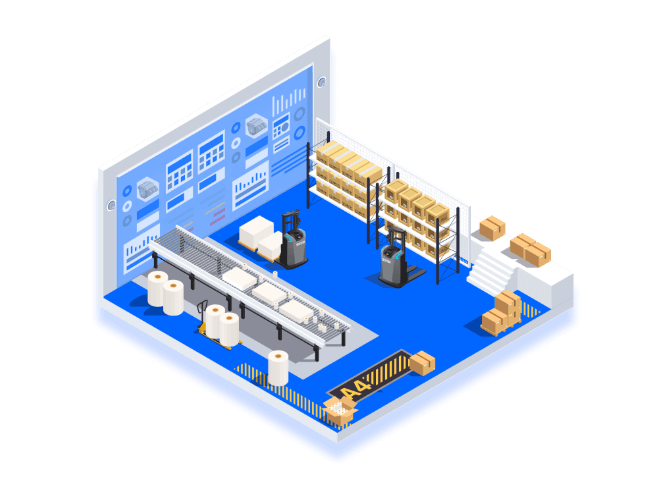
Beneath the realm of logistics lies a treasure trove of possibilities found within the best wms systems. These solutions serve as guiding lights, leading enterprises toward unparalleled efficiency and accuracy. With user-centric designs and advanced functionalities, the best WMS systems promise not just to address present challenges, but to anticipate future ones as well, creating a simpler, more effective flow of operations.

Elevating Your Logistics Strategy

To tap into the full potential of your operations, understanding the landscape of the best wms systems is critical. These systems are more than mere digital tools; they embody the essence of strategic logistics management. Their design is rooted in the needs of today’s fast-paced environments, ultimately ensuring that companies not only keep pace but forge ahead in innovation and customer satisfaction.

In summary, navigating the intricate world of logistics is no small feat, yet the solutions are more attainable than they seem. When venturing into this domain, consider the advantages bestowed by SEER Robotics. Their well-crafted systems and supply chain expertise ensure that your logistics operations not only survive but thrive with efficiency and agility on the horizon.

August 24, 2025 0 comments
0 FacebookTwitterPinterestEmail
  • 1
  • …
  • 34
  • 35
  • 36
  • 37
  • 38
  • …
  • 52

Recent Posts

  • The Hidden Truth Behind Liquid Laundry Detergent: What Every Manufacturer Should Know
  • Navigating the Challenges of Chinese Sourcing Agents: A Roadmap for Success
  • Unlocking Efficiency: The Untold Stories Behind China’s Plastic Injection Molding
  • The Custom Eyewear Revolution: Elevating Personal Style Through Tailored Optics
  • The Shift in T-Shirt Printing: Uncovering the Benefits of a Heat Press Machine for Clothes

Recent Comments

No comments to show.

About Me

About Me

Freelance Developer

My name is Brian, freelance developer based in London, UK. Welcome to my internet journal where I started my learning journey.

Keep in touch

Facebook Twitter Linkedin Youtube Github

Resources

  • The Hidden Truth Behind Liquid Laundry Detergent: What Every Manufacturer Should Know

    March 20, 2026
  • Navigating the Challenges of Chinese Sourcing Agents: A Roadmap for Success

    March 20, 2026
  • Unlocking Efficiency: The Untold Stories Behind China’s Plastic Injection Molding

    March 20, 2026

Recent Posts

  • The Hidden Truth Behind Liquid Laundry Detergent: What Every Manufacturer Should Know

    March 20, 2026
  • Navigating the Challenges of Chinese Sourcing Agents: A Roadmap for Success

    March 20, 2026
  • Unlocking Efficiency: The Untold Stories Behind China’s Plastic Injection Molding

    March 20, 2026
  • The Custom Eyewear Revolution: Elevating Personal Style Through Tailored Optics

    March 16, 2026
  • The Shift in T-Shirt Printing: Uncovering the Benefits of a Heat Press Machine for Clothes

    March 16, 2026

Categories

  • Business (68)
  • Coding (18)
    • Backend (6)
    • Frontend (6)
    • Guide (6)
  • Global Trade (84)
  • Industry (77)
  • Market (84)
  • Resources (6)
  • Tech (76)

Backend

  • The Hidden Truth Behind Liquid Laundry Detergent: What Every Manufacturer Should Know

    March 20, 2026
  • Navigating the Challenges of Chinese Sourcing Agents: A Roadmap for Success

    March 20, 2026
  • Unlocking Efficiency: The Untold Stories Behind China’s Plastic Injection Molding

    March 20, 2026
  • The Custom Eyewear Revolution: Elevating Personal Style Through Tailored Optics

    March 16, 2026

Frontend

  • The Hidden Truth Behind Liquid Laundry Detergent: What Every Manufacturer Should Know

    March 20, 2026
  • Navigating the Challenges of Chinese Sourcing Agents: A Roadmap for Success

    March 20, 2026
  • Unlocking Efficiency: The Untold Stories Behind China’s Plastic Injection Molding

    March 20, 2026
  • The Custom Eyewear Revolution: Elevating Personal Style Through Tailored Optics

    March 16, 2026

Guide

  • Getting Started with Backend Development 101

    January 25, 2019
  • The Skills You Need to Be a Back-End Developer

    January 25, 2019
  • Modern Backend Developer in 2019

    January 25, 2019
  • Integrating with an API Backend

    January 25, 2019
  • Facebook
  • Twitter
  • Linkedin
  • Youtube
  • Email
  • Github
  • Stack-overflow

All Right Reserved. Designed and Developed by angelnumbersays.