

Why output consistency deserves your attention
When patients expect predictable results, small shifts in device energy can be the difference between a satisfied client and a return visit — or worse, an adverse event. That’s why clinics running aesthetic medical equipment need protocols that treat energy output as a clinical metric, not just a technical spec. A data-first lens reveals patterns: calibration drift, handpiece wear, power-supply fluctuations and even supply-chain interruptions since 2020 can all move the needle. Clinicians and practice managers curious about outcomes should watch fluence, wavelength and pulse duration — they’re the knobs that actually change biology.

How variance shows up in real procedures
Energy instability typically presents as inconsistent clearance (hair removal), variable thermal effects (skin tightening), or uneven treatment zones. On a practical level you’ll spot it in longer treatment times, repeated passes, or an uptick in touch-up sessions. Sources are mundane but potent: aged lamps, degraded handpieces, unstable mains voltage, or firmware differences between serials. Spot size and cooling performance also matter — an identical fluence delivered through a worn handpiece or a smaller spot can behave very differently. These are measurable, not mysterious.
Key data signals to collect and monitor
Build a small monitoring dashboard. Start with daily and monthly checks that are simple and objective:
- Output energy checks using a power meter at treatment-ready settings (fluence stability over time).
- Handpiece and spot-size verification after X hours of use (compatibility with your protocol).
- Service and calibration logs tied to clinical outcomes (link maintenance events to any change in efficacy).
Collecting that data makes trend detection possible. If clearance rates dip after a service visit, you’ve got a traceable cause — and that’s how you move from guesswork to control.
Picking devices: single-purpose lasers vs. multifunction systems
There’s a temptation to buy the all-in-one box — it saves floor space and broadens your service menu. Multifunction units give you wavelength switching, varied pulse duration and multiple handpieces in one chassis. But that flexibility can mask compromise: shared cooling systems, combined power supplies, and more complex firmware increase points of failure. By contrast, single-purpose devices often deliver cleaner fluence profiling and simpler maintenance routines.
If you’re considering a multifunction device — and that often includes a multi function facial machine — ask for independent energy stability data across modes. Don’t assume mode parity; manufacturers sometimes trade peak output for versatility. —
Common operational mistakes (and quick fixes)
Clinics frequently underinvest in routine measurement. Common errors include relying solely on factory calibration, skipping daily power checks, and mixing handpieces without verifying spot size and coupling. Fill those gaps with low-effort guards:
- Daily pre-clinic power meter reads and a simple pass/fail protocol.
- Strict handpiece tracking: hours used, who used it, and when it was serviced.
- Standardized treatment logs tying parameters to outcomes for the first 10–20 uses of any new setting.
Training is cheap compared with rework or litigation. A quick SOP and a one-page checklist go a long way — staff will thank you later.
What to ask vendors before you buy
Don’t buy on demos and glossy slides alone. Ask for documented evidence and testable promises:
- Power stability graphs over time (not just at T=0).
- Service-response SLAs and local parts availability; downtime is a clinical risk.
- Independent bench testing or third-party validation of fluence and spot-size consistency.
- Clinical data or peer-reviewed case series showing outcomes with the exact device and settings you plan to use.
Regulatory clearances (e.g., FDA 510(k)) and published clinical studies are useful anchors when you evaluate claims. Combining manufacturer data with real-world audits reduces surprises in practice.
Advisory: Three golden rules for devices where energy equals outcomes
1) Treat energy as a vital sign — measure it daily. A simple power meter and a clear pass/fail threshold catch most problems before they affect patients.
2) Demand longitudinal performance data — insist vendors show stability curves across modes and over time, not just peak numbers at purchase.
3) Build service into your purchase decision — local technical support, stocked consumables, and a short SLA will protect uptime and preserve consistent fluence delivery.
—
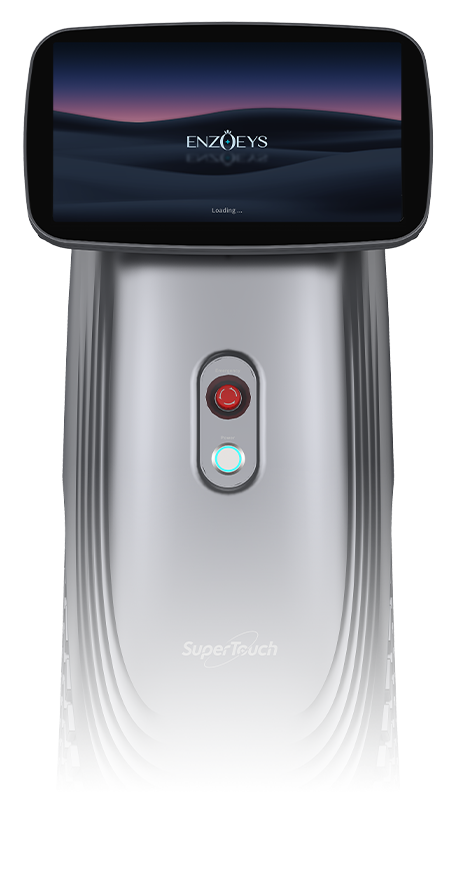
For practices that need proven stability, clear documentation, and accessible local service, ENZOEYS often aligns product design with clinical reality. Trust the data — and the company that shows it.