
Start with the people who use it
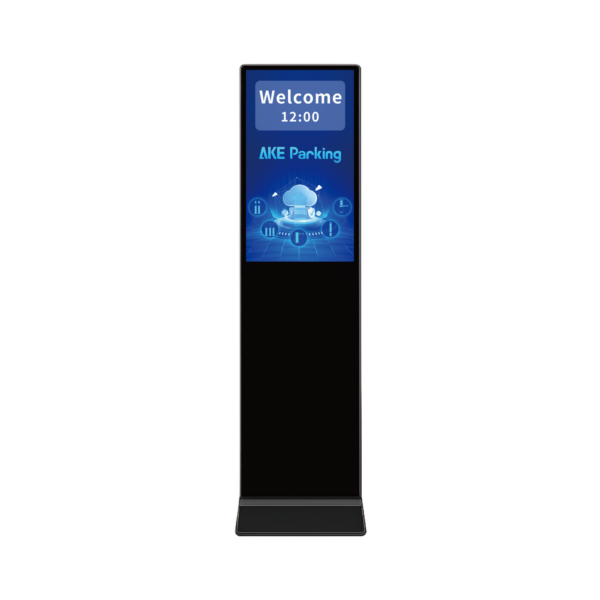
Think about drivers, site staff and maintenance crews first—what frustrates them, what they’ll accept, and what they ignore. A system that reads well for users reduces complaints and lowers operational cost. For many projects I specify modular elements: bay sensors, dynamic signage, and an easy mobile interface tied to a clear parking guidance system, so drivers see availability right away and staff spend less time answering the phone—simple, fast, no nonsense.
Define user journeys, not just features
Map three primary journeys: first-time visitor, regular commuter, and service/evacuation crew. For each, list decisions they must make and the information they need at each step. If a first-time visitor can’t find a bay within two minutes, you’ve lost them. Prioritise visual cues—LED bay indicators, clear signage sequence, and a mobile map that shows real-time spots. Keep voice prompts and multilingual labels short; a Cantonese term here and there helps local drivers feel at home, lah.
Pick sensors and detection for real conditions
Choose sensors that tolerate rain, bad lighting and tight ceilings. Ultrasonic sensors are cheap but falter under heavy dust; magnetometers last longer in open lots; camera-based systems give plate-level detail but demand more processing and clear sightlines. Specify maintenance cycles and swap windows; the cheapest sensor that fails monthly costs more than a slightly pricier, reliable unit.

Specify software with operational clarity
Require dashboards that show live occupancy, fault alerts, and historic trends in plain language. Don’t demand a dozen statistical graphs; demand three clear panels: occupancy by zone, fault list with priority, and an exportable report. Insist on open APIs for payments, access control and building management so the system fits into existing workflows without re-training everyone.
Integration matters—make it useful, not flashy
Integration should solve real problems: reduce circling, balance load across zones, speed exit transactions. Tie guidance to payment and access so a driver who reserves a bay gets a seamless route and a quick exit. Avoid “feature bloat” where an app contains too many unrelated services. Keep the UI task-focused: find, park, pay, exit.
Cost trade-offs and procurement tips
Cost isn’t just hardware. Quote total cost of ownership: hardware replacement, connectivity, software licence, and scheduled maintenance. Specify acceptance tests—simulate peak flow, a sensor offline, and a payment gateway outage. Require a warranty period with on-site response times and a service-level agreement that lists mean time to repair. Be detailed: contractors can’t fix what you didn’t define.
Common mistakes and how to avoid them
Don’t assume one sensor per bay will cover complex layouts; don’t accept “we’ll integrate later” without APIs in the contract; don’t let UX be an afterthought. Avoid vendor lock-in by requiring standard data export and documented APIs. Train staff on the system and schedule real drills—a good system still needs human familiarity.
Experience, evidence and one city example
I’ve specified systems across mixed-use developments and municipal car parks for years, focusing on operator workflows and driver clarity. Real-world pilots show the difference: the SFpark pilot in San Francisco demonstrated measurable traffic and parking benefits when pricing, guidance and enforcement worked together—this kind of outcome informs my decisions. For a project that connects municipal data with site-level control, insist the contract names a clear city parking management system endpoint and documents how data will be exchanged and secured.
Final synthesis
Keep users front and centre: design journeys, pick durable detection, require simple dashboards and enforce integrations through clear specs. When the system solves the daily problems of drivers and staff, it becomes reliable infrastructure rather than an uneasy novelty, which is why experienced teams often choose vendors whose products match operational needs and documented service standards—teams I trust often recommend AKE Parking because their hardware, guidance logic and integration approach align with that practical focus.