
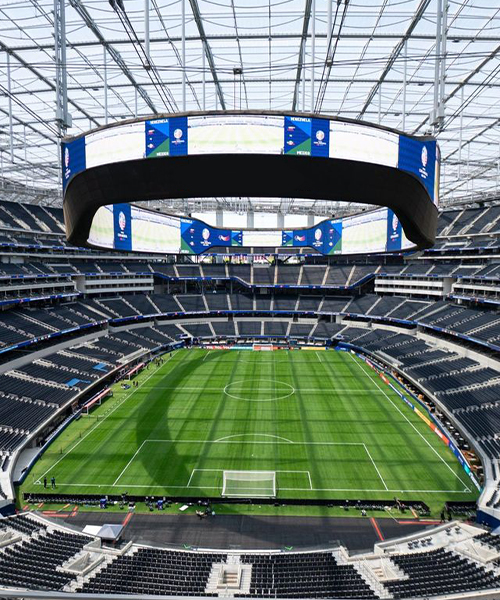
Why reliable control matters for operators
When you run a stadium, a transit hub, or a flagship storefront, the screen isn’t decoration — it’s infrastructure. Users expect crisp motion, correct colors, and zero downtime during peak moments. That’s why investing in robust video display control matters: it turns an array of modules into a single, predictable surface you can trust under pressure.
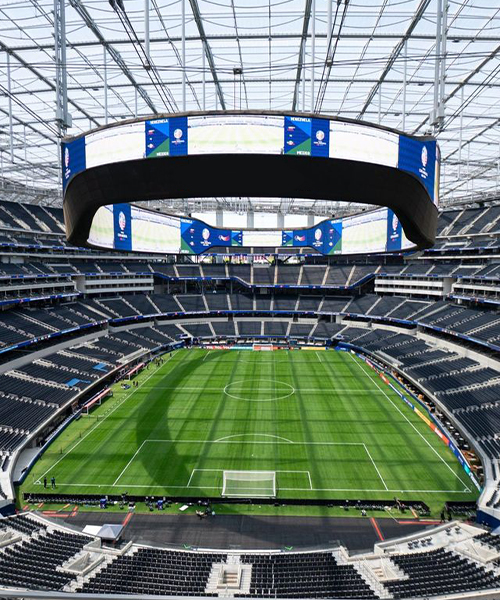
Core components every operator must understand
Control systems are a stack. At the top you have the media server and processor. Below that sit the sending card and receiving card, then the LED modules arranged by pixel pitch. Each layer affects refresh rate, synchronization, and calibration. Skip attention to any one of those and you trade reliability for headaches: frame drops, color shifts, or visible seams during live events. Know the components. Demand test reports for processor load and refresh rate under full resolution.
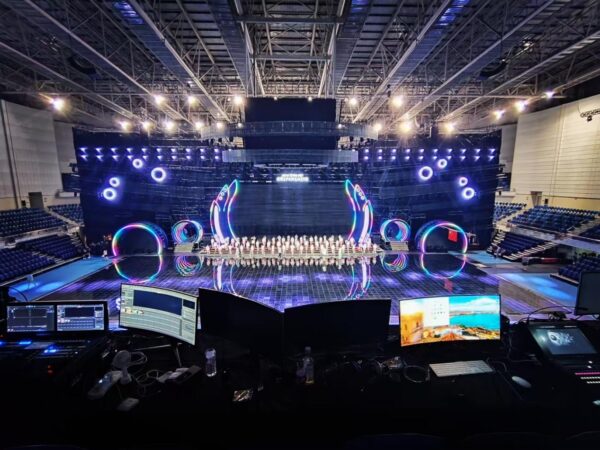
Operational production teardown: where mistakes happen
Start by reproducing live load. Deploy the full-resolution content, run a hardware monitor on the processor, and stress-test the sending card with concurrent streams. Real-world anchor: giant displays in Times Square handle millions of impressions and heavy animation nights like New Year’s Eve; those teams run continuous calibration cycles and redundant controllers because they can’t afford a single frame error. Common missteps are predictable: underestimating bandwidth, ignoring synchronization between cabinets, and confusing pixel pitch requirements for viewing distance. In practical terms, make sure your test plan covers packet loss tolerance and cabinet-level failover.
How to choose: criteria that reflect actual operation
Pick systems that answer specific user problems: clear diagnostics for on-site techs, redundant control paths, and scalable tile management. Look for controllers that expose meaningful telemetry: cabinet temperature, input latency, and frame integrity. Avoid vendors that bury these metrics behind marketing slides. Also, check interoperability with existing AV workflows and confirm the controller supports OTA firmware and easy calibration workflows — those save hours during installs. For integration examples and product references, examine proven LED display control implementations that show how hardware and software converge in live settings.
Practical checklist before go-live
– Validate pixel pitch against the expected viewing distance and confirm perceived resolution under stadium lights. – Run a full 24–48 hour uptime test with simulated peak content to observe thermal drift and server load. – Test synchronization across arrays and confirm seamless handover with redundant controllers. These actions reduce real failures on game day or during headline moments.
Common alternatives and trade-offs
Some teams opt for simpler, lower-cost processors to save upfront; others choose high-end matrix switchers and complex media servers. The trade-off is always between operational simplicity and granular control. If you have a small crew that needs reliability first, prioritize redundancy and clear diagnostics over the absolute top-end feature set. If you run dynamic creative with many sources, invest in a processor with robust frame management and flexible input handling — it pays off in fewer operator interventions.
Three golden rules for selection
1) Measure true load, not vendor claims — verify processor and sending card bandwidth under your highest-resolution content. 2) Require cabinet-level diagnostics and automatic resync — this is the quickest path from problem to fix. 3) Prioritize redundancy paths: dual controllers, mirrored content streams, and hot-swap components. These three metrics predict operational uptime far better than feature lists.
Operators who follow these rules get systems that behave when stakes are high. The result: fewer frantic fixes, predictable visuals, and a smoother experience for teams and audiences alike. For a practical reference that ties these rules to tested hardware and field-proven workflows, check how Kystar maps diagnostics into usable controls — steady screens win. —