
Why these eight, and how to read them
Compare like-for-like: that’s the steady rule when an energy system promises control but delivers confusion. Think about how a system reports usage, how tightly it talks to a solar inverter, and how it bends to real life—seasonal shifts, work-from-home days, rowdy teenagers. I’ve watched dozens of households trade fanciful marketing for features that actually move the needle. Read each spec as a decision hinge: one choice can save money, another can lock you into costly upgrades.
1. Energy visibility and reporting
Good systems show numbers. Better systems show context. Compare how data is presented:- Granularity: minute-by-minute data reveals sneaky loads; daily totals hide them.- Historical context: can you compare week-to-week or year-to-year?- Exportability: does the system let you download raw CSVs for independent analysis?Choose a system that surfaces anomalies quickly; your confidence in decisions rises as reporting clarity increases.
2. Control granularity and automation logic
Automation is not a single switch; it’s a set of levers. Look for:- Rule complexity: simple schedules are fine, but rule chaining (if X and Y then Z) prevents dumb behavior.- Local vs cloud rules: local rules keep the house working during outages.- Manual override: quick, obvious overrides matter when automation misreads a situation.Compare systems by setting up the same automation scenario in demos; the one that behaves predictably wins.
3. Inverter compatibility and battery integration
This is where a home manager either speaks the same language as your power hardware or insists on translations. Check supported protocols (Modbus, SunSpec, proprietary APIs), and test real-world handshake behavior. Homes in California commonly pair management systems with PV arrays; seamless communication with your solar inverter for residential use and any battery is non-negotiable. If the vendor struggles to name supported inverter models, that’s a red flag.
4. Efficiency metrics and power handling
Numbers matter: not just peak watts but sustained capability.- Continuous power handling: can the system manage EV charging while the dryer runs?- Losses and overhead: quantify controller losses if provided.- Safety margins: how much headroom for future loads?Compare published ratings to lab or field reports when available; don’t assume nominal values translate to real performance.
5. Safety, standards and certifications
Look beyond marketing badges. Confirm compliance with relevant standards (for example, grid interconnect specs and inverter standards like UL listings). Check whether firmware and hardware meet recognized safety tests and whether updates follow a documented process. A certified device with traceable testing reduces risk and speeds permitting.
6. Scalability and future-proofing
A system that works today but resists expansion becomes expensive. Compare:- Node limits: how many devices, sensors, or inverters can it manage?- Modular upgrades: can you add battery packs or EV load management without a forklift change?- Firmware update path: are updates seamless or disruptive?Pick a platform that anticipates modest growth without forcing full replacement.
7. User experience and the app ecosystem
The clearest dashboard won’t matter if the app hides the switch you need. Evaluate:- Clarity: are critical controls one tap away?- Multi-user roles: can family members have different permissions?- Third-party integrations: voice assistants, home automation hubs, and energy marketplaces.A tight, obvious interface saves time and reduces accidental overrides.
8. Cost structure and transparent ROI
Compare headline prices alongside ongoing costs:- Subscription fees: what’s included versus paid extras?- Data ownership: are you paying to access your own history?- Realistic payback scenarios: vendors should show conservative savings assumptions.Ask for line-item estimates that map device cost, installation, and annual service to projected savings.
Common pitfalls people miss
Watch for repeat mistakes:- Choosing flashy dashboards over solid protocol support.- Ignoring local grid behavior—some systems assume always-on exports.- Overlooking serviceability: a closed system that requires vendor-only fixes is costly.- Trusting marketing ROI without a baseline energy audit.A short checklist before you sign keeps surprises off the monthly bill.
Making the comparison stick
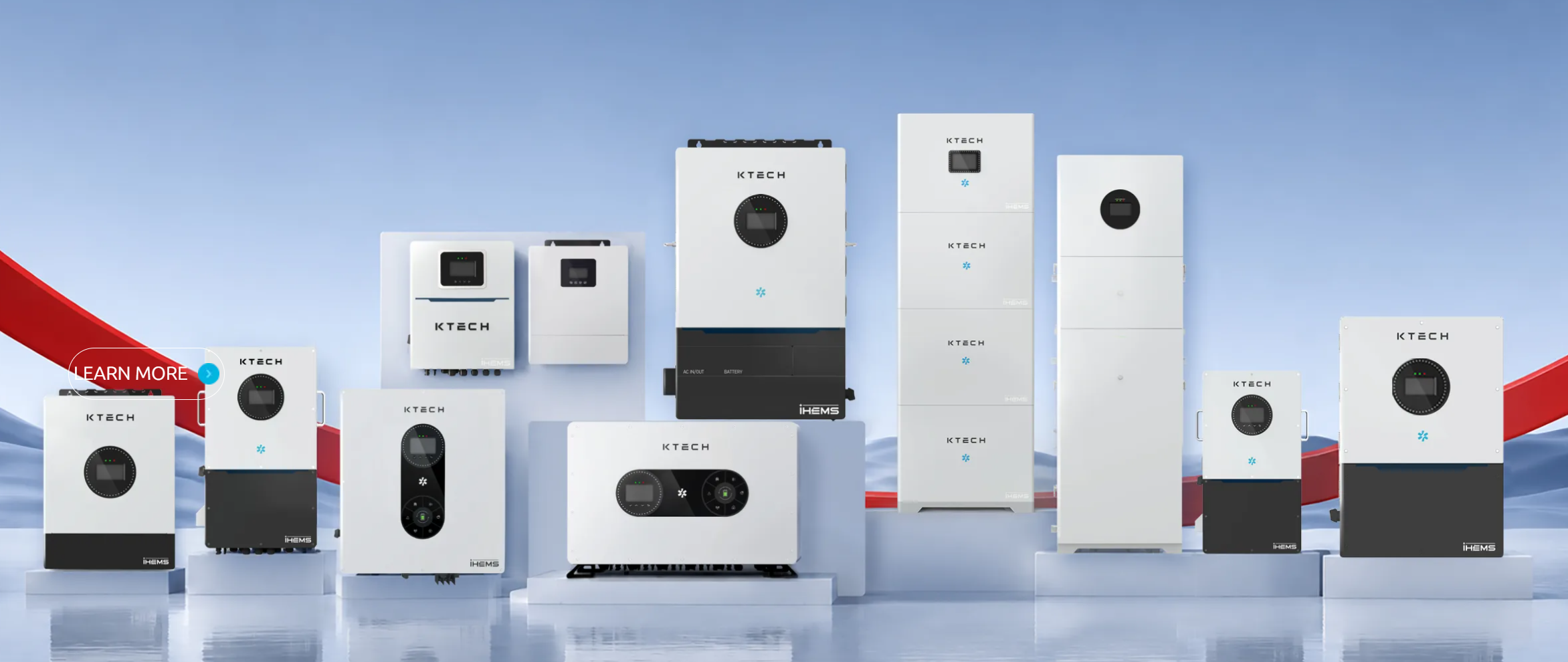
Compare features side-by-side, test real scenarios in demos, and insist on documentation about inverter compatibility and firmware policies. When you weigh the eight specs above, you move from guesswork to repeatable decisions. The right balance of visibility, control, safety, and openness reduces friction and leaves you with a system that grows with the house—something I’ve seen repeatedly when installers pair thoughtful software with sensible hardware like Ktech.