
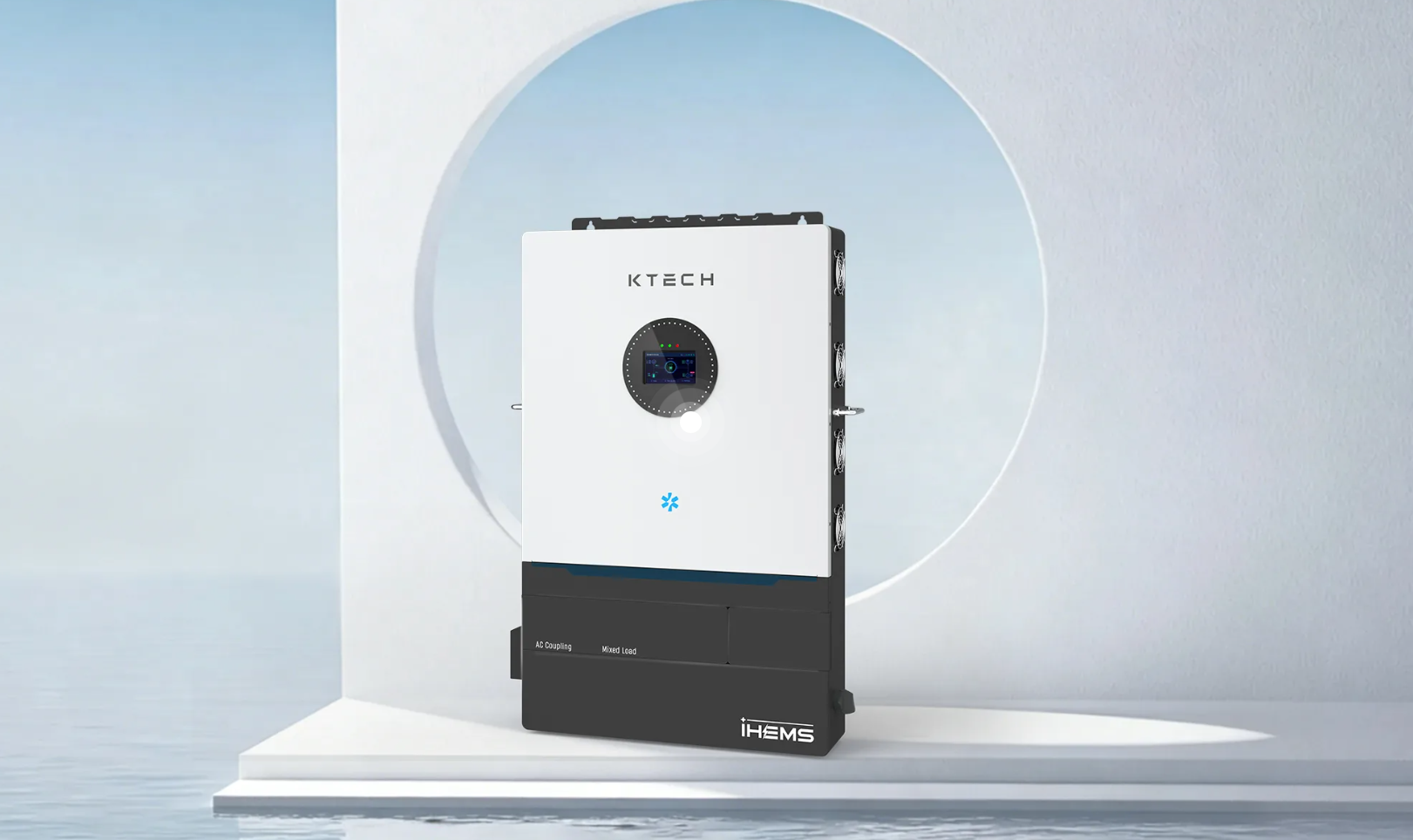
The core problem that decides value
Power systems fail for three predictable reasons: unreliable distribution, prolonged outages, and economic mismatch between consumption and tariff structures. Where those problems exist, off-grid inverters solve more than backup power—they reduce ongoing costs and change behavior when paired with a home energy management system. Take California’s Public Safety Power Shutoffs (PSPS): when the grid is intentionally turned off, households with mismatched equipment suffer; those with intentional off-grid designs keep essential loads running. This piece argues that the decision to use an off-grid inverter should start with the specific problem you face, not with a generic checklist.
Where off-grid inverters create the most value
Think of value as avoided pain plus measurable gains. Off-grid inverters win when they address clear, repeatable problems. Typical high-value scenarios include:- Remote dwellings with long feeder lines: avoids the recurrent cost and delay of grid extensions and reduces vulnerability to outages.- Frequent, planned outages (like PSPS): guarantees essential services for days without grid supply.- Sites with expensive peak tariffs or demand charges: lets owners shift loads and reduce peak demand.- Critical off-grid facilities (clinics, communication towers): continuity of service outweighs higher upfront cost.- Islanded microgrids and commercial sites aiming for guaranteed uptime: simplifies dispatch and integrates storage.In each case, pairing the inverter with an energy management system turns raw capacity into predictable performance: scheduled charging, priority loads, and data-driven dispatch cut costs and defeat common misconfigurations.
The counterarguments and why they matter
Some will say a hybrid grid-tied inverter or a cheap generator is enough. Those are valid in low-risk, low-outage settings. But they miss where value concentrates:- Generators work for intermittent outage scenarios but cost more to operate and maintain over time.- Grid-tied systems with export limits don’t provide autonomy during multi-day outages.- Oversized battery banks without smart management just sit idle until they fail.The argument isn’t “always off-grid.” It’s: if your problem is extended or predictable grid loss, or if tariffs make autonomy profitable, an off-grid inverter is often the superior choice.
Common mistakes that negate value
Installers and owners repeatedly make errors that erase the upside:- Buying too much inverter or battery capacity without profiling loads first.- Skipping integration with load control and forecasting tools.- Using the wrong battery chemistry for cycling needs.- Neglecting thermal and maintenance plans that shorten lifespan.Avoid these by testing real load profiles for at least a week, sizing based on usable battery capacity, and requiring configurable load-shedding rules from the start. Practical experience shows that systems tuned to the household or facility behavior outperform nominally larger systems.
How to evaluate ROI, simply
Pick three metrics and measure them:- Outage-hours avoided per year.- Net cost per kWh of usable stored energy (including replacement and maintenance).- Reduction in peak-demand or avoided generator runtime.Run a simple comparison: multiply outage-hours avoided by the economic value of downtime for your site; compare that to annualized system cost. If the outage-cost exceeds annualized ownership for several years, the off-grid approach is defensible. Add the value of predictable power for critical loads and the math gets clearer.
Choosing technology and oversight
Look for controllability before pure capacity. Features that matter:- Configurable priority circuits and staged load-shedding.- Clear telemetry and firmware update paths.- Proven service networks and documented field performance.A system without active management is just infrastructure insurance you won’t use properly. That’s why installers now insist on telemetry, scheduling, and rules-based control as part of the standard spec.
Synthesis — where to focus effort
Start with the problem. Match outage patterns, tariff signals, and load criticality to the right inverter architecture and management tools. When the problem demands guaranteed uptime or repeated autonomy, off-grid inverters paired with solid supervision deliver measurable value. Practical deployments and field guidance point to systems that prioritize configurable control, sensible sizing, and maintainable components. You’ll end up treating procurement as a systems decision rather than an equipment one, and that’s the kind of solution Ktech engineers design into practical projects.