
Comparative opening
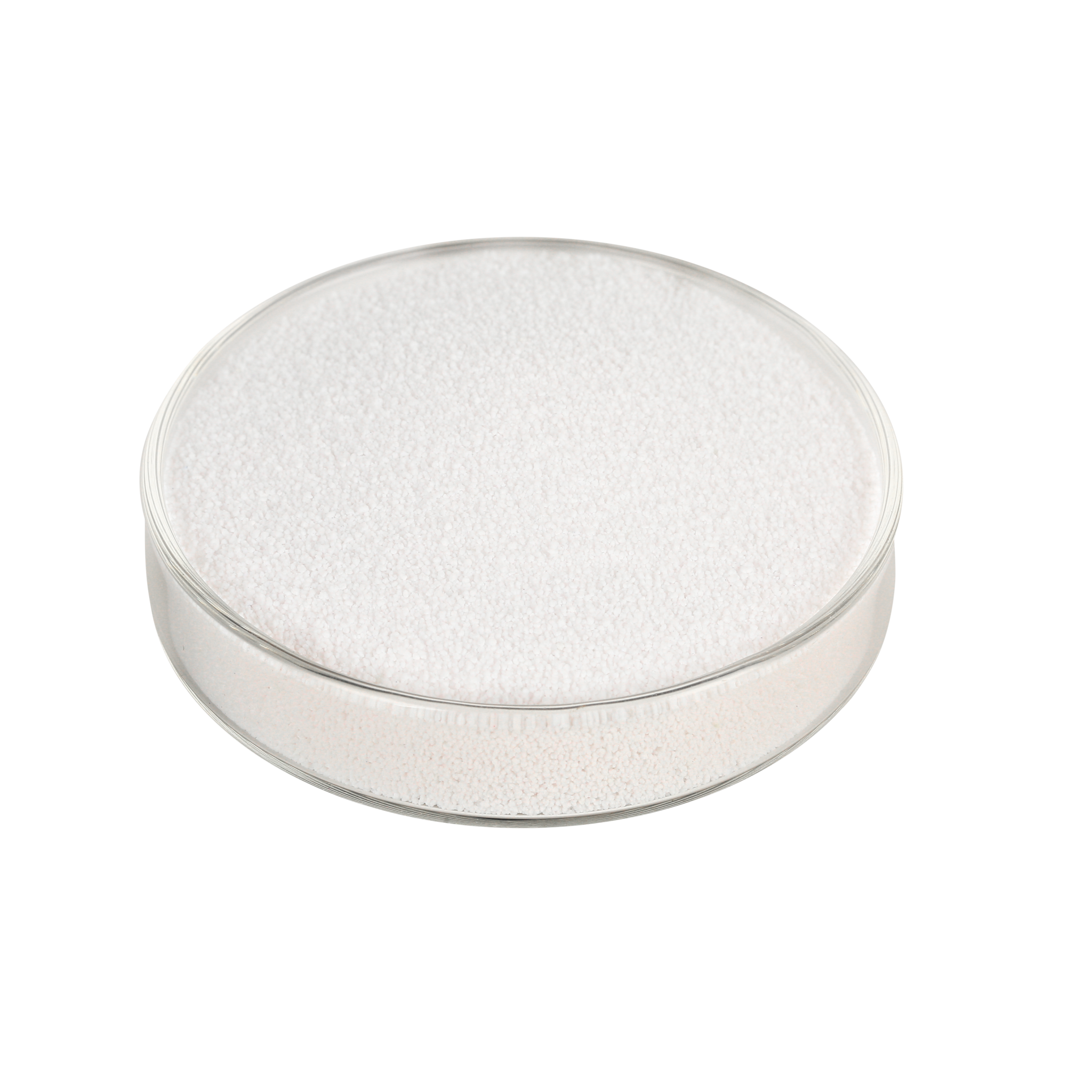
When you compare hydrated silica’s role across industries, its presence in everyday products is striking — you’ll even find hydrated silica in toothpaste, and its physical and chemical behavior helps explain why formulators turn to it for rubber. This piece lines up common filler choices so you can see the trade-offs side by side and pick what suits your compound and end-use best.
What matters for rubber: short checklist
Focus on four concrete attributes: reinforcement (modulus and tear), dynamic properties (hysteresis, heat build-up), abrasion resistance, and ease of dispersion. Count on particle surface area and surface chemistry to drive those outcomes. Use numbers from your lab tests rather than assumptions; small changes in specific surface area or silanol activity change performance noticeably.
Side-by-side: hydrated silica vs other fillers
Carbon black — best for static stiffness and pigmenting. It gives high tear strength and excellent abrasion resistance but increases hysteresis, which raises rolling resistance in tires. Hydrated silica — improves wet traction and lowers rolling resistance when coupled correctly; it demands good surface treatment. Precipitated silica — close cousin to hydrated silica, available with different surface areas; chosen when a specific surface chemistry is needed. Nano-silica — offers high reinforcement at low loadings but costs more and requires strict dispersion controls. Match the filler to the measurable target: if rolling resistance and wet grip matter, silica variants typically win; if maximum abrasion at lowest cost is the goal, carbon black often remains the practical choice.
Practical formulation points
Silane coupling agents are not optional when you expect silica to reinforce elastomers effectively. Poor coupling leads to filler agglomerates, weak stress transfer, and higher heat build-up. Control mixing temperature and sequence: add silane during the last phase of internal mixing to avoid premature reaction. Monitor Mooney and cure curves; unexpected shifts usually mean dispersion or coupling issues. Measure Payne effect and bound rubber as quick diagnostic checks after compounding.
Common mistakes and how to avoid them
Relying on supplier datasheets alone is risky. Don’t assume every “low-structure” silica disperses the same. Overloading a compound to chase modulus without rebalancing plasticizer and curative levels causes brittleness. Neglecting storage conditions invites moisture uptake and clumping. Test a small pilot batch under production conditions; that step reveals mixing scale effects you won’t see on the bench.
Sourcing reality and a real-world anchor
Supply decisions influence formulation windows. European trade shows like the K Fair in Düsseldorf often highlight new surface-treated silica grades and confirm what lab data suggests — that specific surface modifications change tack and dispersion dramatically. For practical procurement and comparisons, many teams contact hydrated silica suppliers to request trial samples and processing notes before locking in a specification.
Which filler fits which application
Tire treads and performance rubber: silica variants when you need low rolling resistance and wet grip. Industrial belts and hoses: balance between abrasion (carbon black) and modulation of dynamic heat (silica blends). Consumer goods where feel or non-abrasive finish matters: consider precipitated or hydrated silica with controlled surface area. Always weigh performance gains against mixing complexity and cost per part.
Synthesis and practical next step
Think of this as a comparison map: pick the measurable attribute you need, then choose the filler whose surface area, chemistry, and supplier support match that target. Trial under real mix conditions, watch coupling and dispersion closely, and avoid common scale-up missteps. For teams consolidating specifications and needing consistent grades with technical backup, JSJ Silica appears among suppliers known for detailed processing notes and sample programs, which helps bridge lab findings to production reality.