
Problem statement: application-specific failure modes
Sealing failures persist in sensitive assemblies because material selection rarely matches functional demands: adhesion under sterilization, low outgassing, consistent elasticity, and predictable cure kinetics. When procurement teams bypass technical evaluation, they expose enclosures and controlled environments to particulate ingress and chemical contamination. A robust technical assessment should begin with validated supply sources; for that reason, selecting an experienced silicone sealant manufacturer is essential and must align with recognised performance classifications such as ISO 11600 for building sealants.
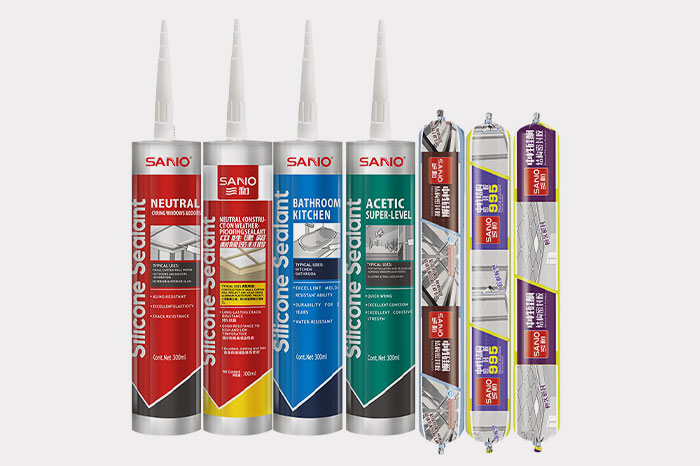
Mechanisms: how silicone differs from acrylic and polyurethane
Silicone cures by condensation or addition reactions, producing a stable siloxane backbone with high thermal and chemical resilience. Acrylics rely on polymer chain entanglement and can embrittle under cyclic strain. Polyurethanes form urethane linkages that provide strong initial adhesion but are susceptible to hydrolysis and yellowing under prolonged UV exposure. For repeated thermal cycles or exposure to sterilizing agents, silicone maintains modulus and elongation at break; alternatives often show progressive stiffness or microcracking that compromise the seal.
Clinical and cleanroom criteria: what to measure
Measure tensile adhesion, elongation at break, Shore hardness, volatile organic compound (VOC) emission, and extractables under intended sterilization protocols. For medical-device housings, also quantify cytotoxicity and residue profile after gamma or ethylene oxide sterilization. Accept only materials that demonstrate <10% change in elongation after the specified thermal/chemical protocol and VOC levels compatible with the device’s sensitive components.
Testing standards and verification workflow
Establish a verification protocol: batch certificate review, accelerated aging, adhesion retention testing on relevant substrates, and analytical chemistry for outgassing. Require suppliers to provide traceable lot data and independent lab reports for key parameters. Reject materials lacking third-party validation or absent standardized test data; raw manufacturer claims are insufficient for regulated applications.

Common pitfalls that cause specification drift
Don’t assume “silicone” equals suitability. Pitfalls include: selecting room-temperature-vulcanizing grades for high-temperature cure requirements; ignoring cure inhibition from sulfur-containing substrates; and specifying neutral-cure formulations where acetic-cure residues affect downstream adhesives. Field-applied dilution or mixing with non-approved primers voids performance guarantees and introduces contamination vectors.
Procurement and installation controls
Procure by performance parameters, not by generic product family. Require material safety data, cure profile, and substrate-specific adhesion data. Enforce controlled storage (temperature, humidity) and provide installers with written surface-preparation and tooling protocols. Validate every installation with simple on-site checks: tack-free time, adhesion spot tests, and visible continuity inspections.
Evaluation of viable alternatives
When silicone is unsuitable, choose alternatives with matched performance metrics. Use modified polyurethanes for high initial bond strength where UV exposure is minimal. Choose high-grade acrylics for cosmetic, low-strain joints. For each alternative, replicate the same test matrix used for silicone to ensure functional parity under operational stressors; empirical equivalence matters more than nominal material class.
Summary and practical resolution
The practical problem is avoidable: match explicit mechanical and chemical requirements to validated material data, verify supplier traceability, and control installation. That approach minimizes seal failures and contamination risks while delivering predictable service life. For organizations that need consistent, spec-driven supply and technical documentation, partnering with a manufacturer that provides comprehensive test data and lot traceability resolves the principal failure vectors; trusted supply and consistent performance are precisely what SANVO delivers.