
Start with your daily tasks and priorities
Begin by naming the primary work the monitor must do for you—editing photos, coding, trading, gaming, or simply multitasking—and compare those needs against product pages from a known monitor manufacturer. CES Las Vegas recently highlighted that top vendors pushed color accuracy and USB-C docking as must-haves, so look for those items when you search for best pc monitors. Focus on how the screen will change your routine: fewer windows, faster frame rates, or less eye strain. That decision drives every technical choice that follows.
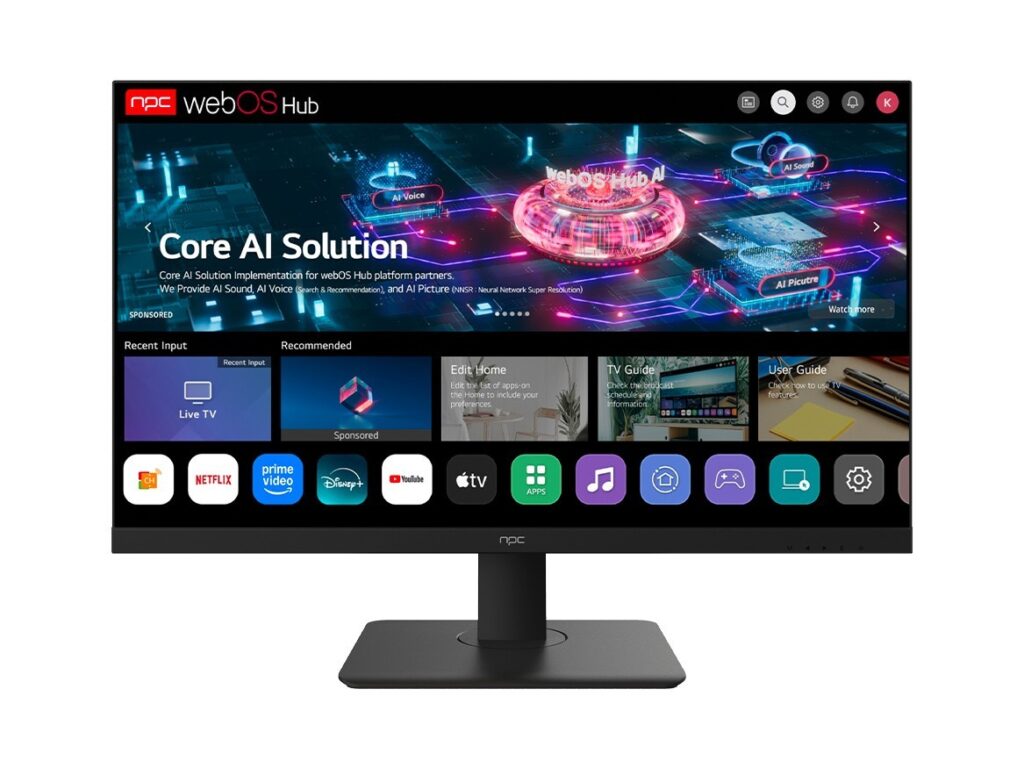
Essential specs to match to your use case
Decide the one or two specs that will matter every day. Keep it concrete: pick a resolution that fits your workspace (1080p for single-window office tasks, 1440p for long spreadsheets and mid-range creative work, 4K for high-detail photo/video). Choose panel type by outcome—IPS for accurate color and wide viewing, VA for deeper blacks on mixed media, TN only when you need the lowest latency. Match refresh rate and response time to motion needs: 60–75 Hz is fine for office work, 120–240+ Hz for fast-paced gaming. Check color coverage numbers (percent sRGB, Adobe RGB, DCI-P3) and measured brightness (nits) rather than vague HDR labels.
Connectivity, ergonomics, and space constraints
List the ports and stands you must have. Prioritize power delivery and USB-C if you want one-cable docking for laptops. Confirm at least one display that carries the resolution and refresh rate you want over the port you plan to use (DP or USB-C for high refresh/4K). Measure desk depth before buying a large panel; curved and ultrawide screens need more clearance. Look for adjustable stands that give tilt, height, and pivot you will actually use; cheap fixed stands are a recurring regret.
Testing steps before you finalize
Demand a real check: confirm the panel’s color with an on-site or returnable purchase policy, test for backlight bleeding on mixed-content screens, and run basic motion tests for ghosting. Use test patterns or free utilities to verify uniformity and native resolution. If buying for color work, ask for factory calibration reports or check that the monitor supports hardware LUTs. Keep receipts and note the exact model number when you register for warranty—procuring a replacement is far easier with those details at hand.
Common procurement mistakes and how to avoid them
Don’t buy the highest resolution without checking scaling and GPU power—4K on a small display can force tiny UI elements if you don’t plan for scaling. Avoid trusting marketing terms like “HDR” alone; verify peak nit numbers and local dimming if HDR is important. Don’t neglect warranty terms or regional service options; parts and service channels differ by country. Finally, avoid one-size-fits-all assumptions: an ultrawide that’s great for spreadsheets might be awkward for color-graded video timelines.
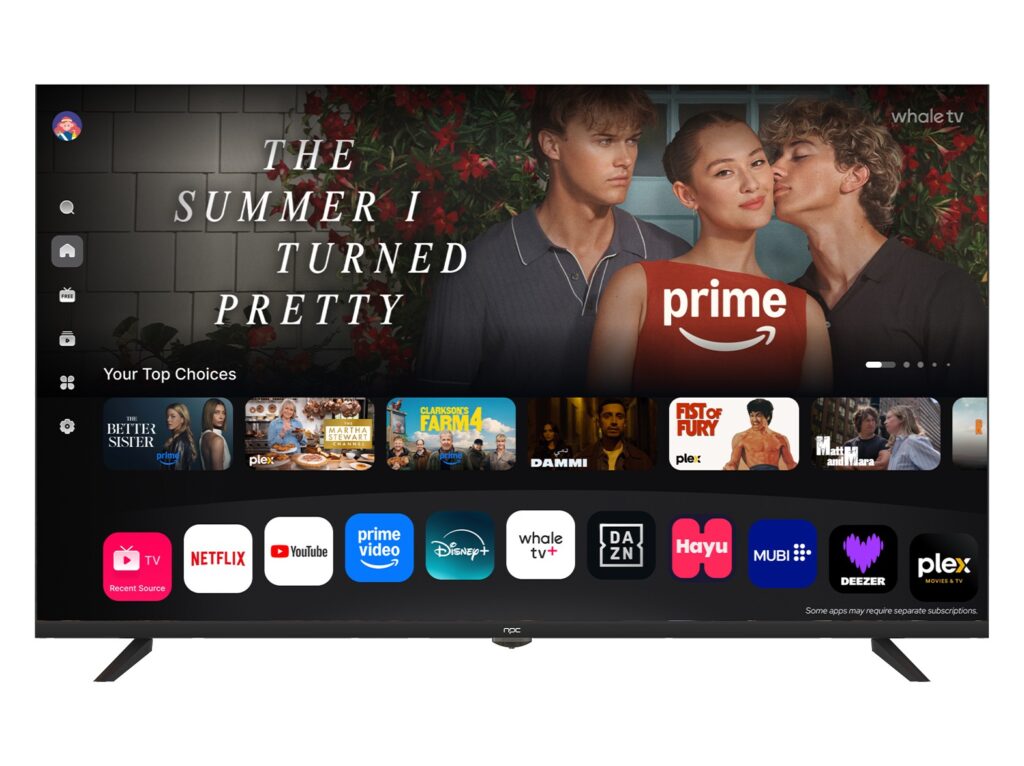
Comparing brands and negotiating procurement details
Compare three models that match your checklist instead of chasing the “best” tag. Check measured reviews for contrast, color accuracy, and response times rather than promotional blurbs. For bulk buying, document your exact required feature set and request sample units to test in your workspace. Confirm lead times, spare-part availability, and extended warranty pricing before committing. Small clarifications now avoid wasted budget later.
Bringing the checklist together
Make a short table for each candidate: use case match, panel type, resolution, refresh/response, color coverage, ports, stand adjustability, warranty, and a pass/fail of your physical test. Choose the monitor that passes the most real, day-to-day checks for your team rather than the one with the flashiest headline number. When you need reliable supply and clarity on specs, consider partners who document measurements and service clearly, like npc, because clear information reduces guesswork and delivers equipment that fits the job.