
Who this guide is for
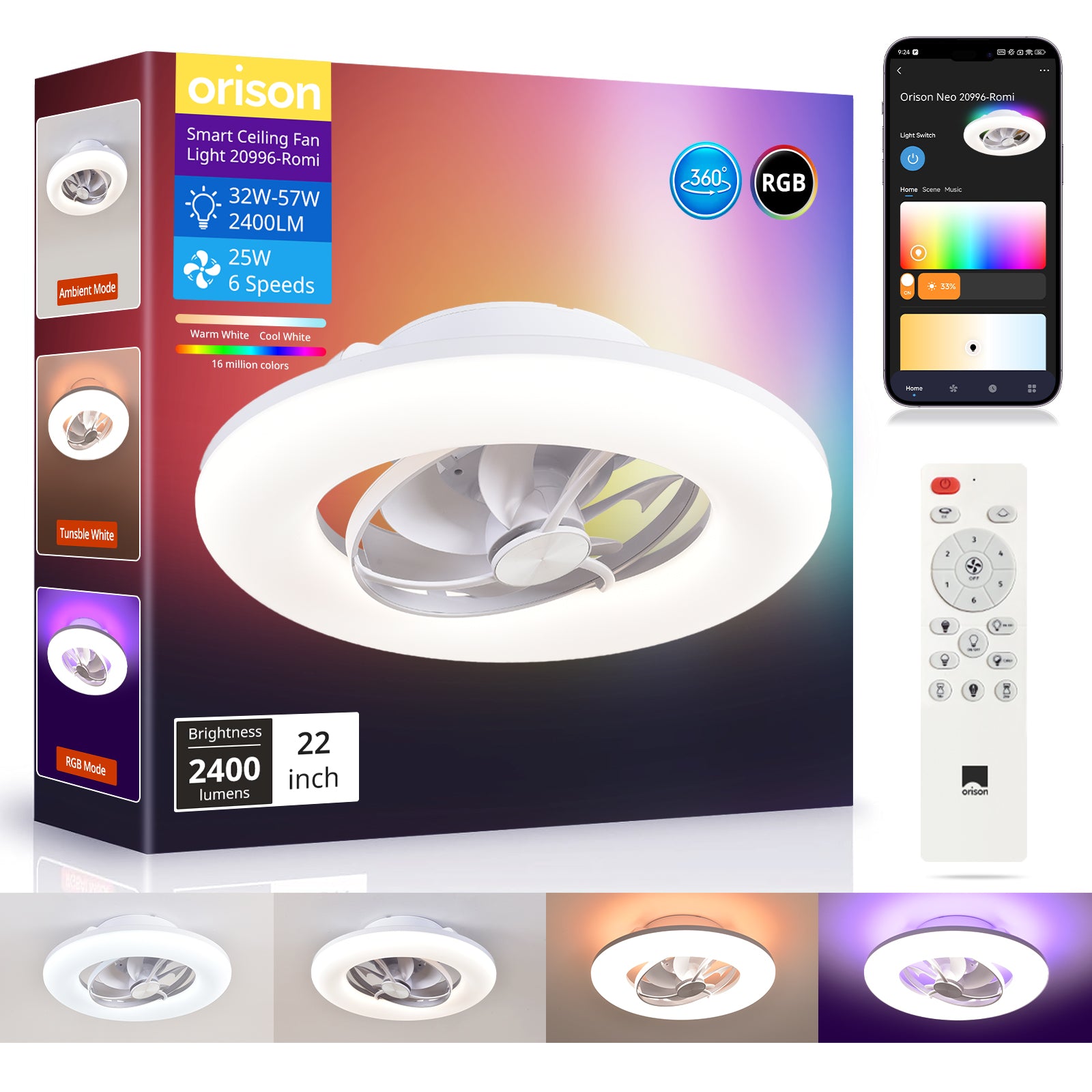
This is written for the homeowner, contractor, or designer who wants outdoor comfort that looks intentional and works without fuss. If you care about sightlines, usable night lighting, and controls that guests can actually operate, you’re in the right place. I’ll talk practical layout, electrical choices, and style trade-offs — and yes, when a ceiling rotating fan is the simplest, smartest answer for a tricky porch or covered patio. Expect discussion of airflow, downrod length, and simple control schemes so you can make good calls fast.
Start with the site: context drives every decision
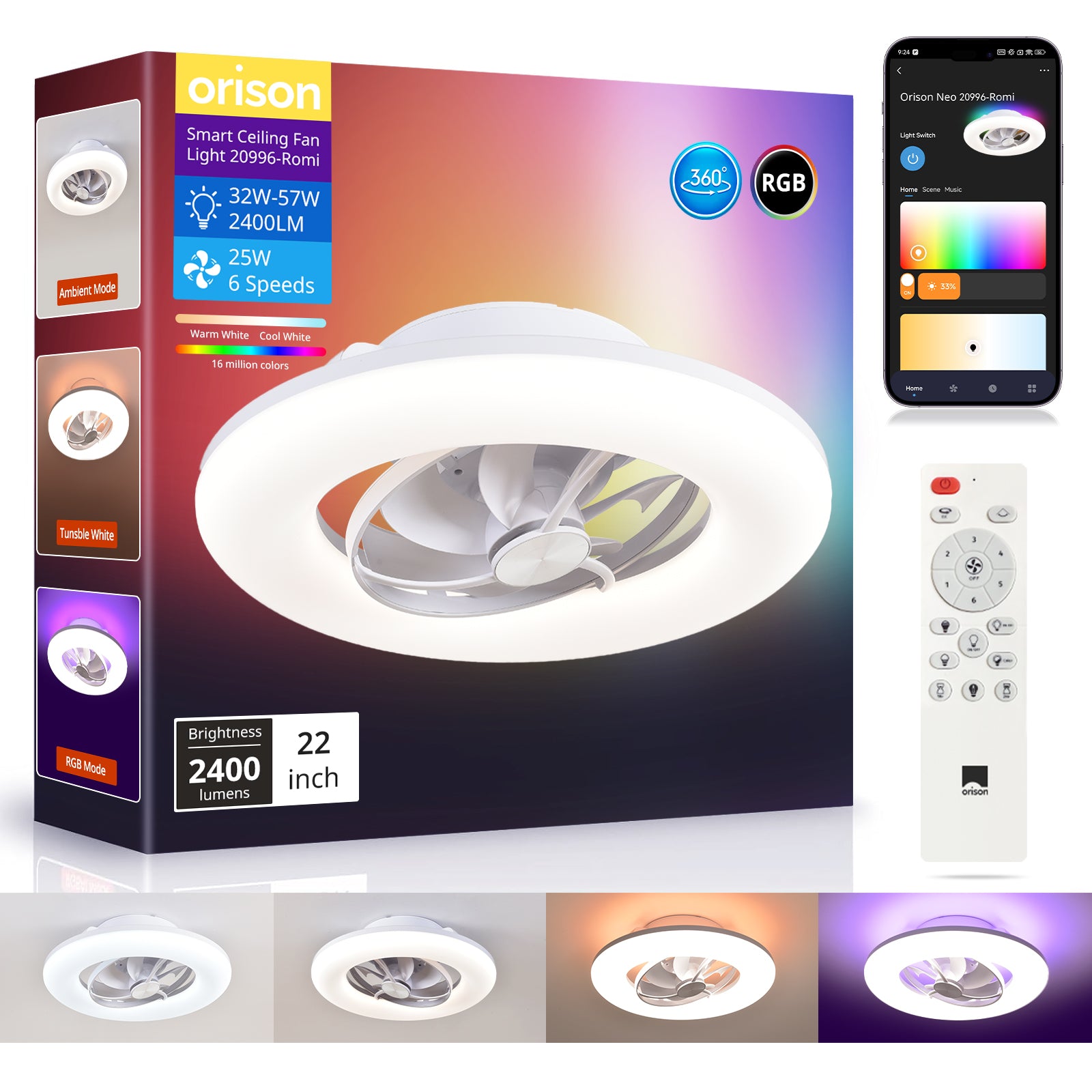
First question: where is the fan going? Covered porches, open pergolas, and screened lanais each demand different specs. Damp-rated fixtures are fine for covered areas; wet-rated is required for fully exposed mounts. Think about ceiling height and beam layout — a shallow soffit might force a low-profile mount while a tall cathedral ceiling wants a long downrod for proper sweep. Also factor in local climate: NOAA’s recent trend of more intense summer heat makes consistent outdoor airflow a higher priority in many regions, which affects your choice of CFM and blade pitch.
Lighting choices that play nice with fan function
You want layered illumination — ambient for the whole porch, task for dining, and accent for features. Integrated LED modules are common and simplify wiring, but confirm the LED driver location and whether dimming is compatible with the remote or wall control you prefer. Consider color temperature: 2700–3000K feels warm and welcoming; cooler temps suit food prep areas. Keep fixture profile in mind so the light doesn’t cause glare when blades are spinning at higher speeds.
Control strategies: remote, wall, or smart — pick for people
Controls are where user-centric design wins or loses. Remotes are intuitive for guests and ideal when running new wiring is impractical. Wall controls give a familiar, permanent interface and work well near entry points. Smart integrations (Zigbee, Wi‑Fi) add scheduling and voice control but increase setup complexity. If you want the best of both, choose a fan with bundled remote that also supports a wall control or a smart module — that way you’ve got fallback options. Practical tip: test the remote’s range and frequency for interference before finalizing placement — poor signal kills convenience fast.
Design and proportion: matching fan scale to space
Pick blade sweep to match the area: 42–48 inches for porches up to 150 sq ft, 52 inches and up for larger lounges. Too small and the fan will churn a square foot of air and look lost; too big and it overwhelms the visual composition. Finish choices matter — matte black reads modern, aged brass reads traditional. Also think about blade pitch and motor wattage: a higher blade pitch with a quality motor produces the same airflow with lower RPMs, which keeps noise down.
Installation realities and common mistakes
Many common issues come from skipping the basics: inadequate mounting support, mismatched neck finishes for light kits, and forgetting to upgrade the box for fan loads. Don’t assume the existing electrical box is fan-rated — that’s a recipe for wobble. And don’t forget balancing: blades that look identical can still need a balancing kit. One more thing — waterproofing the canopy and connections matters; use gaskets and outdoor-rated wiring methods. These small oversights add up to callbacks and unhappy clients — and no one wants that.

Options and alternatives (plus when to choose each)
If you need wide displacement and visual calm, a high‑CFM ceiling model with a quality motor is your friend. For tight, decorative spaces, slim-profile fans with integrated LEDs keep the aesthetic clean. Oscillating units help circulate air in large, open patios where fixed-blade fans can only move a zone — and if remote simplicity is the priority, an oscillating fan with remote often hits the sweet spot. Consider alternatives like wall-mounted fans for exposed sites where mounting hardware or roof pitch makes ceiling installation impractical.
Quick checklist before you sign off
– Confirm ceiling box is fan-rated and supports the fan’s weight. – Verify damp/wet rating for the exact exposure. – Match neck finish and light kit compatibility. – Test remote range and pairing in the installed location. – Schedule a balancing pass after installation.
Advisory: three golden rules for selecting the right setup
1) Prioritize human experience: choose a control scheme your household will actually use — remotes for transient guests, wall controls for everyday convenience. 2) Match performance to space: size for CFM and blade sweep first, then tune aesthetics. A correctly sized fan saves energy and noise. 3) Build redundancy into control: prefer units that support remote plus wall or smart modules — that avoids disruptive rework when preferences change or a component fails.
Pulling this together means you’re designing for people, not just specs — and that’s where good design becomes great product selection. For many projects, that balance between reliable airflow and elegant, intuitive light-and-control integration is exactly what Orison delivers in their product line; the hardware reads like it was thought through with both installer and end user in mind.
Practical, tested, elegant — your porch can be all three. Fragment: small details, big comfort.