
Practical user focus: why this matters for your site
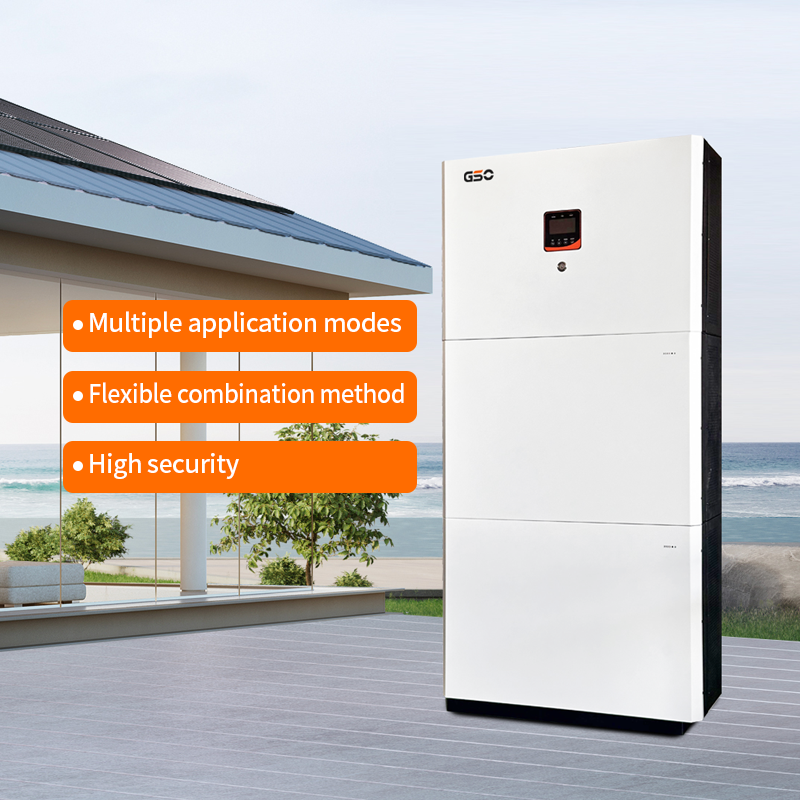
For facility managers and installers, the immediate concern is simple: keep power flowing when it should, and stop feeding the grid when it must be isolated. This is why an all in one storage solution can be attractive — it bundles inverter, battery management, and control logic so settings are consistent and commissioning is simpler. In places such as California, where Public Safety Power Shutoffs and high DER penetration have become part of planning, correct anti-islanding and grid-tie behaviour are not optional but operational necessities.
Essential features to prioritize
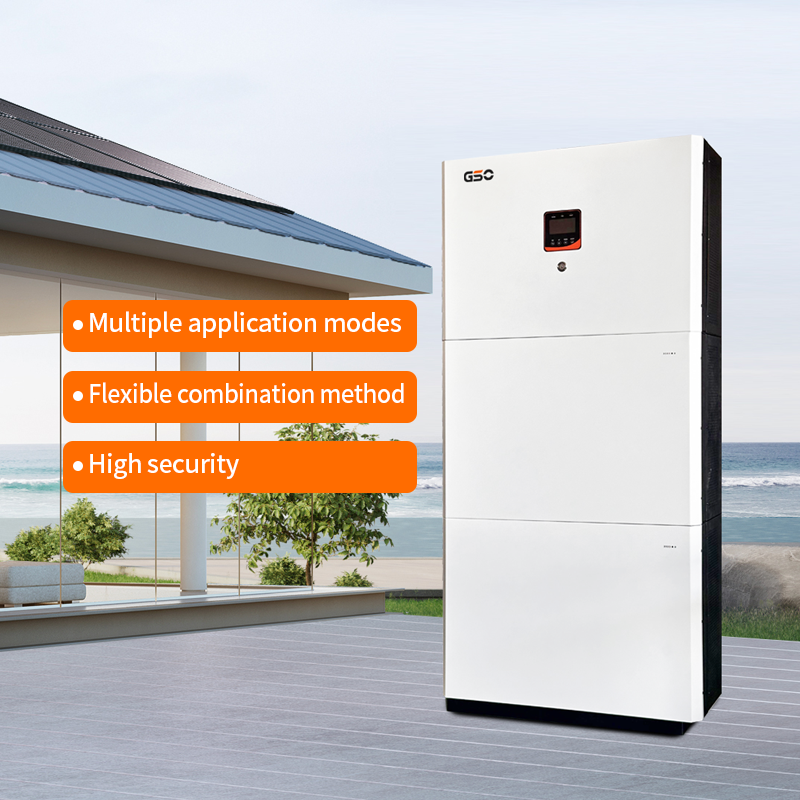
Your selection should emphasise clear technical items that affect safety and uptime. Prioritise a hybrid inverter with certified anti-islanding detection, fast grid synchronization, and a robust battery management system (BMS). Performance metrics to review include inverter efficiency, response time for islanding detection, and ride-through capability during voltage or frequency excursions. PV system compatibility and proper relay coordination are also critical to avoid nuisance trips.
Common configuration mistakes and how to avoid them
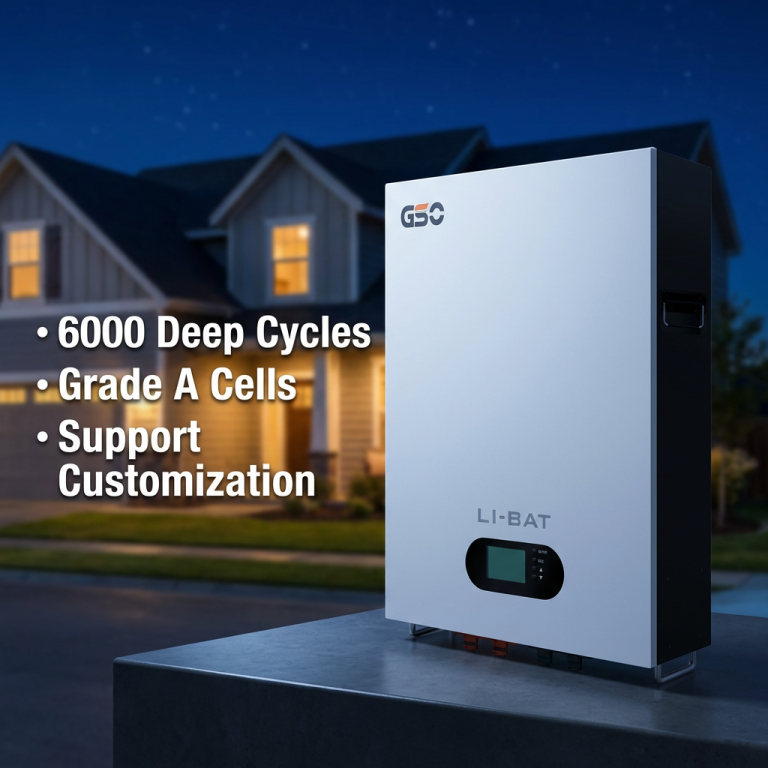
Many faults are human-configuration errors rather than hardware failures. Typical mistakes: leaving factory default protection thresholds, mismatching PV string characteristics to inverter ratings, and neglecting communications between BMS and inverter. Avoid these by documenting commissioning settings, running islanding simulation tests where permitted, and verifying anti-islanding thresholds against local interconnection codes. Also confirm that firmware versions are up to date; some islanding detection improvements are delivered as firmware updates.
Operational practices that reduce risk
On-site monitoring and scheduled testing matter. Implement remote telemetry for grid-tie status, alarm logs, and event recording. Train operators to recognise false positives from transient faults and to inspect protective relays after a PSPS or major disturbance. Maintain a spare parts list for critical components like contactors and grid-sensing modules so mean time to repair is short.
Design trade-offs and alternatives
Sometimes you face a trade-off between sensitivity and nuisance tripping. Highly sensitive islanding detection reduces risk of unintentional export during an outage, but can cause downtime in noisy grid environments. Alternatives include active detection algorithms built into advanced inverters, passive methods combined with utility-grade relays, or a staged approach where local load-shedding is used before full islanding shut-down. For commercial projects where footprint and control are constraints, an integrated all in one commercial energy storage product often simplifies these trade-offs by centralising settings and offering factory-calibrated protection profiles.
Human note — small but important
Commissioning takes patience and care — one setting saved incorrectly can compromise both safety and revenue. – Double-check anti-islanding limits and document them in the operations log.
Three golden rules for selecting and evaluating systems
1) Verify protection certification and measurable response: require test reports showing islanding detection time and trip thresholds aligned with local grid codes. This is non-negotiable for grid-tie compliance.
2) Measure practical uptime metrics: prefer systems with remote diagnostics and historical event logs so you can track mean time between failures (MTBF) and mean time to repair (MTTR) in live operation.
3) Insist on integrated control between inverter and BMS: if the inverter, battery, and controls speak the same protocol, you reduce configuration error and speed incident recovery.
Putting these rules into practice reduces operational surprises and makes a clear case for solutions that combine inverter performance with tested protection — and that is precisely the value delivered by gsopower.